
The Rise of Battery Tech in Electric Vehicles
It’s impossible to ignore how electric cars have shifted from niche curiosities to central players in the automotive world. This shift is doing more than changing what’s under the hood; it’s rewriting the entire supply chain and manufacturing playbook for carmakers worldwide.
The Shift From Combustion Engines to Electric Drivetrains
For over a century, automotive manufacturing revolved around the internal combustion engine (ICE). Its complex network of parts—from fuel injectors to exhaust systems—defined how factories were laid out and how suppliers operated. Electric drivetrains, by contrast, are simpler mechanically but demand new expertise and components. Instead of thousands of moving parts, an electric vehicle (EV) relies heavily on batteries, electric motors, and sophisticated electronics.
This fundamental change has forced manufacturers to rethink their production lines. Traditional automakers have had to invest billions in retooling plants or building new ones tailored specifically to EV assembly. The shift also means forging new partnerships with suppliers who can provide high-voltage batteries and electric powertrains instead of carburetors and transmissions.
Challenges in Sourcing Critical Materials Like Lithium and Cobalt
Electric cars rely on batteries that require materials far less common in the ICE world—lithium, cobalt, nickel, and manganese among them. These minerals are the backbone of lithium-ion batteries, powering everything from smartphones to EVs. But unlike steel or aluminum, they come with a host of supply chain challenges.
- Geopolitical concentration: A significant portion of cobalt, for example, comes from the Democratic Republic of Congo, a region plagued by political instability and ethical concerns.
- Environmental impact: Mining lithium and other minerals often involves water-intensive processes and ecological disruption, which raises sustainability questions.
- Supply-demand imbalance: As EV demand surges, securing enough raw materials has become a bottleneck, pushing prices upward and prompting manufacturers to seek alternatives or recycling solutions.
Automakers and battery producers are scrambling to diversify sources, invest in mining projects, and develop new chemistries that reduce or eliminate reliance on scarce materials. The race for stable and ethical supply chains is as fierce as the competition on the road.
Innovations in Battery Manufacturing and Recycling
Battery technology is the beating heart of the EV revolution, and breakthroughs here ripple through the entire supply chain. Manufacturing processes have evolved rapidly to meet the scale and cost targets necessary for mass adoption.
- Gigafactories: Massive battery plants like Tesla’s Gigafactory or LG Chem’s facilities have redefined production scale, integrating raw material processing and cell assembly under one roof to cut costs and improve efficiency.
- Solid-state batteries: Companies are racing to commercialize solid-state batteries, which promise higher energy density, faster charging, and improved safety over traditional lithium-ion cells.
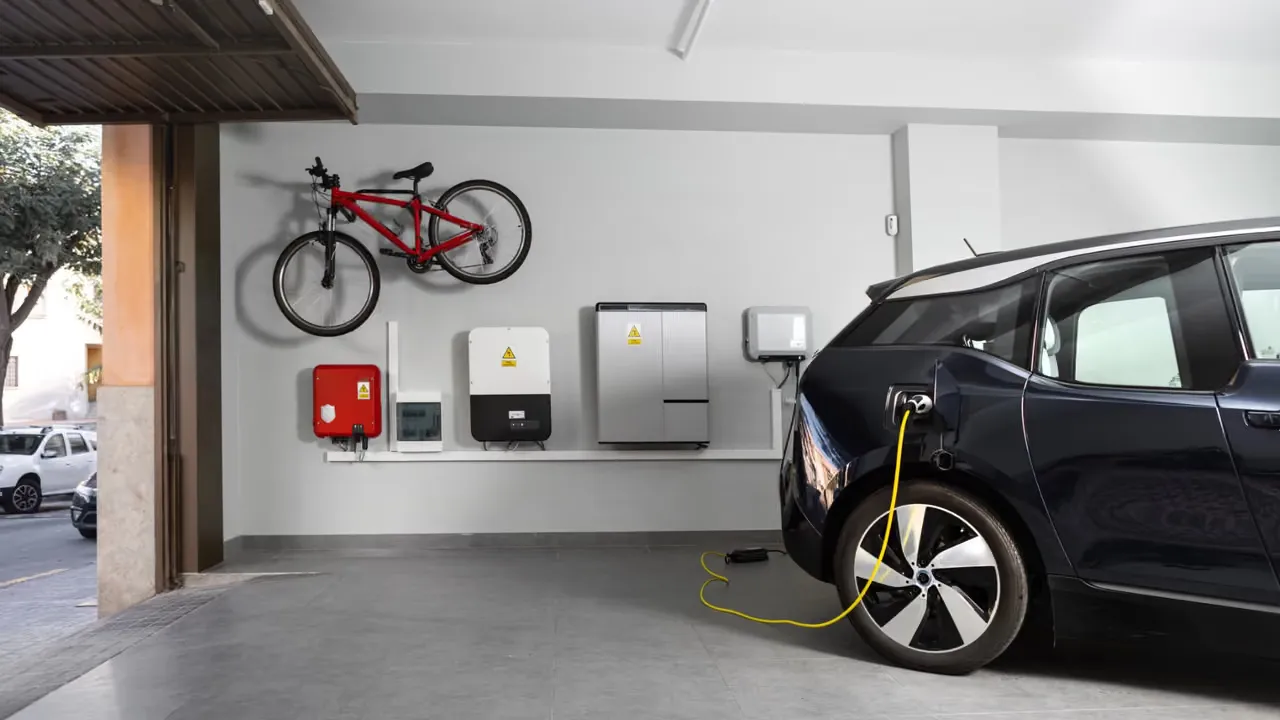
- Recycling and second-life applications: As the first generation of EV batteries reaches end-of-life, recycling is becoming crucial. Recovering valuable metals reduces dependence on mining and tackles environmental concerns. Additionally, used EV batteries are finding second lives in stationary storage applications, extending their value and reducing waste.
These innovations are not just technical feats—they reshape supply chains by creating new industries around battery material recovery and reuse, fundamentally altering how manufacturers think about lifecycle and sustainability.
Impact on Automotive Jobs and Global Production Hubs
The electrification of vehicles is a double-edged sword for employment in the automotive sector. On one hand, the simpler electric drivetrain reduces the number of parts and assembly steps, potentially threatening traditional manufacturing jobs focused on ICE components. On the other hand, new roles are emerging in battery production, software development, and high-voltage electrical assembly.
Regions historically reliant on ICE manufacturing face disruption. For example, areas in the American Midwest and parts of Europe must adapt as factories retool or close. Meanwhile, new production hubs are rising near battery raw material sources or in countries investing heavily in EV infrastructure, such as China and South Korea.
Governments and companies are increasingly aware of these shifts, leading to programs aimed at retraining workers and incentivizing new manufacturing investments. However, the transition is uneven and fraught with uncertainty for many communities.
Ultimately, the automotive industry’s transformation driven by electric cars is a vast and complex story—one that touches everything from global geopolitics to local economies, from raw materials deep underground to the cutting-edge factories of tomorrow.