
Four Barriers Blocking Battery Recycling
Electric cars are often hailed as the silver bullet to climate change, promising zero emissions on the road and a cleaner future. Yet beneath this green veneer lies a complex, less glamorous story—one tangled in the environmental costs of producing and disposing of their batteries.
The Environmental Cost Behind EV Batteries
Electric vehicle batteries, primarily lithium-ion, rely on a cocktail of raw materials that come with a heavy environmental price tag. Mining for lithium, cobalt, nickel, and other metals necessary for these batteries is energy-intensive, water-hungry, and often linked to ecological disruption.
Lithium extraction in places like the arid salt flats of South America consumes vast quantities of water, threatening local ecosystems and communities. Cobalt mining in the Democratic Republic of Congo, the source of over 60% of global cobalt, raises serious concerns about environmental degradation and human rights abuses.
Beyond extraction, the manufacturing process of EV batteries generates a significant carbon footprint. Smelting and refining metals require high energy input, often derived from fossil fuels, which counters some of the emissions savings electric cars offer during use.
Challenges in Battery Recycling Technologies
Once an EV battery reaches the end of its useful life—typically after 8 to 15 years—the question becomes: what next? Recycling batteries isn’t as straightforward as tossing them into a bin. The complexity of battery design, combined with hazardous materials, makes recycling both difficult and expensive.
Current recycling methods generally fall into two categories: pyrometallurgical and hydrometallurgical processes. The former involves high-temperature smelting to recover metals but is energy-intensive and can produce toxic emissions. The latter uses chemical solutions to extract metals but faces scalability and efficiency challenges.
Moreover, many batteries end up in landfills or are stored without proper handling, posing risks of toxic leaks and fires. The lack of standardized recycling infrastructure globally means a significant portion of used batteries is not being properly processed.
Economic and Technical Barriers
- Cost: Recycling can be more expensive than mining new materials, discouraging investment.
- Battery Design: Variations in battery chemistry and construction complicate dismantling.
- Lack of Regulation: Inconsistent policies worldwide hinder recycling industry growth.
Innovations Aiming to Reduce Battery Waste
Despite these hurdles, innovation is pushing the boundaries of what’s possible in battery recycling and waste reduction. Researchers and companies are developing new techniques that promise to make recycling more efficient, less costly, and environmentally friendly.
Direct recycling is an emerging method that aims to restore battery cathodes to a reusable state without breaking them down completely, saving energy and preserving material value.
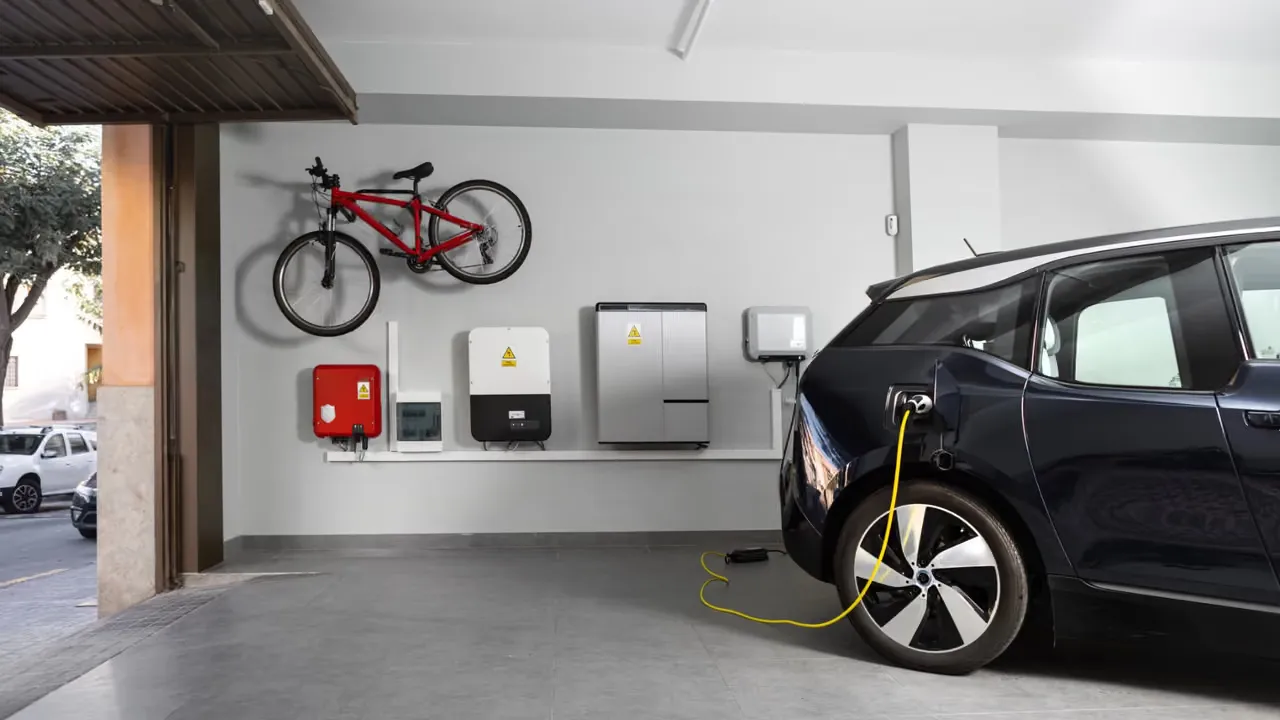
Meanwhile, the push for second-life batteries is gaining traction. Batteries that no longer meet EV performance standards can be repurposed for less demanding applications such as home energy storage or grid support, extending their lifespan and deferring disposal.
On the material front, there’s a growing interest in developing batteries with less reliance on scarce or problematic metals. Solid-state batteries, for instance, could reduce cobalt dependency, while research into sodium-ion or lithium-sulfur batteries offers potential alternatives with different ecological footprints.
Collaborative Efforts and Policy Moves
- Automakers partnering with recyclers to create closed-loop systems that recover and reuse battery materials.
- Governments introducing regulations and incentives to support recycling infrastructure and responsible sourcing.
- Investment in research to improve battery design for easier recycling and longer life.
Balancing EV Benefits with Sustainable Practices
Electric vehicles undeniably reduce tailpipe emissions, a critical step toward cleaner air and climate goals. However, the environmental benefits risk being undermined if the lifecycle impacts of their batteries are ignored.
Consumers, manufacturers, and policymakers must grapple with this complexity. Choosing EVs powered by renewable energy, supporting companies committed to ethical sourcing, and advocating for robust recycling programs are ways to tip the balance toward sustainability.
Ultimately, the push for electric mobility isn’t just about swapping engines—it’s about rethinking how we source, use, and reclaim the materials that power our vehicles. The road to truly green transportation requires more than zero emissions on the street; it demands responsibility across the entire battery lifecycle.