
Overcoming Distance With Rural EV Innovation
It’s easy to picture electric cars weaving silently through bustling city streets, their sleek designs a perfect match for urban life. Yet, the story of electric vehicles (EVs) is stretching far beyond metropolitan borders, reaching into rural communities where the challenges and opportunities look very different. These places, often overlooked in the EV conversation, are beginning to experience a shift that could redefine how transportation and energy intersect in less populated areas.
Challenges Rural Areas Face with Electric Vehicle Adoption
Rural communities confront a unique set of hurdles when it comes to adopting electric vehicles. Unlike cities, where charging stations might be just around the corner, the vast distances between towns and homes in rural areas make range anxiety a very real concern. Many residents rely on vehicles that can cover long stretches without refueling, a necessity that traditional EVs have only recently started to address.
Another significant barrier is the limited charging infrastructure. Sparse population density means fewer incentives for companies to install and maintain charging stations, leaving rural drivers with fewer options and longer detours to recharge. The cost of upgrading electrical grids to support fast chargers adds to the complexity, especially in regions where infrastructure investment lags behind urban centers.
Moreover, the economic realities of rural life often clash with the upfront costs of electric vehicles. Lower average incomes and limited access to financing make EVs appear less accessible. Add to this the cultural attachment to trucks and diesel engines, which are seen as rugged and reliable workhorses, and you get a clear picture of why EV adoption in rural zones has been slow.
Innovative Solutions for EV Charging in Remote Locations
Despite these challenges, innovative solutions are emerging to make EV ownership more viable in rural settings. Community solar projects, for instance, are being paired with EV charging stations to create self-sustaining energy hubs. In places where the grid is weak or unreliable, solar-powered chargers offer a lifeline, allowing drivers to recharge without depending entirely on traditional electricity sources.
Mobile charging services are another creative approach. Some startups and local businesses have introduced on-demand charging vans that travel to remote areas, offering a flexible alternative to fixed stations. This service not only eases range anxiety but also creates new economic opportunities within the community.
Battery swapping is gaining traction as well. Instead of waiting for a full charge, drivers can exchange depleted batteries for fully charged ones at designated points. This system, though still nascent in rural America, could dramatically reduce downtime and make EVs more practical for long-distance travel.
Leveraging Existing Infrastructure
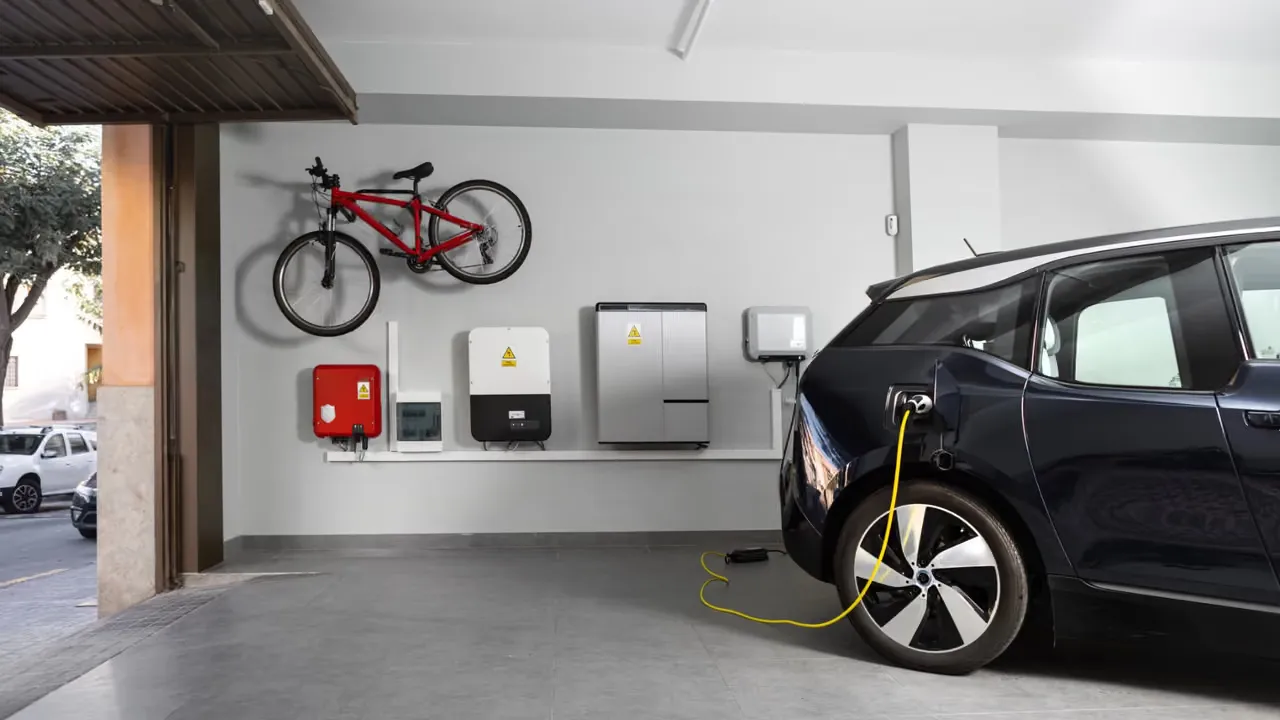
- Farm equipment and community centers: Some rural towns are repurposing existing electrical setups, like those on farms or municipal buildings, to install EV chargers.
- Utility partnerships: Collaborative efforts between rural utilities and EV companies are improving grid resilience and expanding charging networks.
- Government grants: Federal and state programs targeting rural infrastructure development help subsidize the cost of installing chargers.
Economic and Environmental Impacts of EVs in Rural Economies
Electric vehicles hold promise for rural economies beyond just transportation. By reducing reliance on gasoline and diesel, rural drivers can cut fuel expenses, which often represent a significant portion of household budgets. This shift could free up money for other local spending, stimulating economic activity.
EV adoption also aligns with environmental goals crucial to rural areas, where agriculture and natural resources dominate. Lower emissions from electric vehicles mean cleaner air and less soil contamination from spills and leaks typical of fossil fuels. For farming communities, this translates into healthier ecosystems and potentially better crop yields.
Job creation is another key benefit. The growing demand for EV maintenance, charging infrastructure installation, and renewable energy projects opens new employment avenues in regions that have struggled with job losses in traditional industries. Training programs tailored to rural residents are helping bridge skill gaps and prepare the workforce for this transition.
Community Driven Initiatives Accelerating EV Acceptance
Grassroots efforts are playing a pivotal role in building trust and interest in electric vehicles within rural communities. Local clubs and organizations host test drive events and informational sessions, breaking down misconceptions about EVs and showcasing their practicality.
Farmers and ranchers who adopt EV technology publicly share their experiences, highlighting benefits like lower maintenance costs and suitability for daily tasks. These stories resonate powerfully, as they come from familiar faces who understand the rural lifestyle.
Schools and community colleges have also jumped in, incorporating EV technology into their curricula. By educating younger generations about electric vehicles and renewable energy, these institutions are planting seeds for long-term acceptance and innovation.
Examples of Community Efforts
- EV Caravans: Organized group drives across rural routes to demonstrate EV range capabilities and build camaraderie.
- Charging Co-ops: Residents pooling resources to install and maintain their own charging stations, ensuring access tailored to local needs.
- Local Policy Advocacy: Town councils pushing for incentives and infrastructure grants to support EV growth.