
Can New Tech Make EVs Truly Green
Electric cars are often hailed as the solution to reducing greenhouse gas emissions and fighting climate change. Yet, beneath their eco-friendly image lies a complex environmental story focused on the production of their batteries. Making electric vehicle (EV) batteries carries serious environmental costs. Still, ongoing innovations are quietly changing this story, making the green promise of electric cars more real.
Understanding the Environmental Costs of Battery Manufacturing
The core of an electric car is its lithium-ion battery. This technology depends on raw materials like lithium, cobalt, nickel, and manganese. Extracting and processing these materials uses a lot of energy and often harms the environment.
Mining lithium usually means evaporating large amounts of water from brine in dry areas. This can drain local water supplies and harm ecosystems. Cobalt mining, mostly in the Democratic Republic of Congo, is known not only for environmental damage but also for ethical problems like child labor and unsafe work conditions. Nickel mining leads to deforestation and soil pollution.
After mining, refining and making the batteries release large amounts of carbon dioxide. Studies show that making a typical EV battery can produce between 60 and 150 kilograms of CO2 per kilowatt-hour of battery size. For a 60 kWh battery pack, this means emissions from 3.6 to 9 tons of CO2—a big carbon cost before the car even drives.
Innovations in Sustainable Materials for EV Batteries
To meet these challenges, researchers and makers are looking for ways to cut the environmental impact of batteries. One promising path is making batteries with less cobalt or no cobalt at all. Cobalt-free types, like lithium iron phosphate (LFP) batteries, are growing in use, especially in China, thanks to lower costs and better sustainability.
Another path is solid-state batteries. These promise higher energy storage and better safety while using fewer rare or harmful materials. Still in development, solid-state batteries could change battery making by making it cleaner and more efficient.
There are also efforts to improve how materials are sourced. Some companies work directly with mines to ensure responsible mining. Others test blockchain technology to track materials from mine to battery, improving transparency and trust.
The Role of Recycling and Second-Life Batteries in Cutting Environmental Impact
Battery recycling is a key part of the solution. Right now, only a small share of EV batteries are recycled. But raising this rate could greatly reduce the need for new raw materials and lower mining damage.
Recycling focuses on getting back valuable metals like lithium, cobalt, and nickel. Although recycling is hard, new methods like hydrometallurgical and direct recycling improve how much metal is recovered and cut the environmental cost compared to older ways.
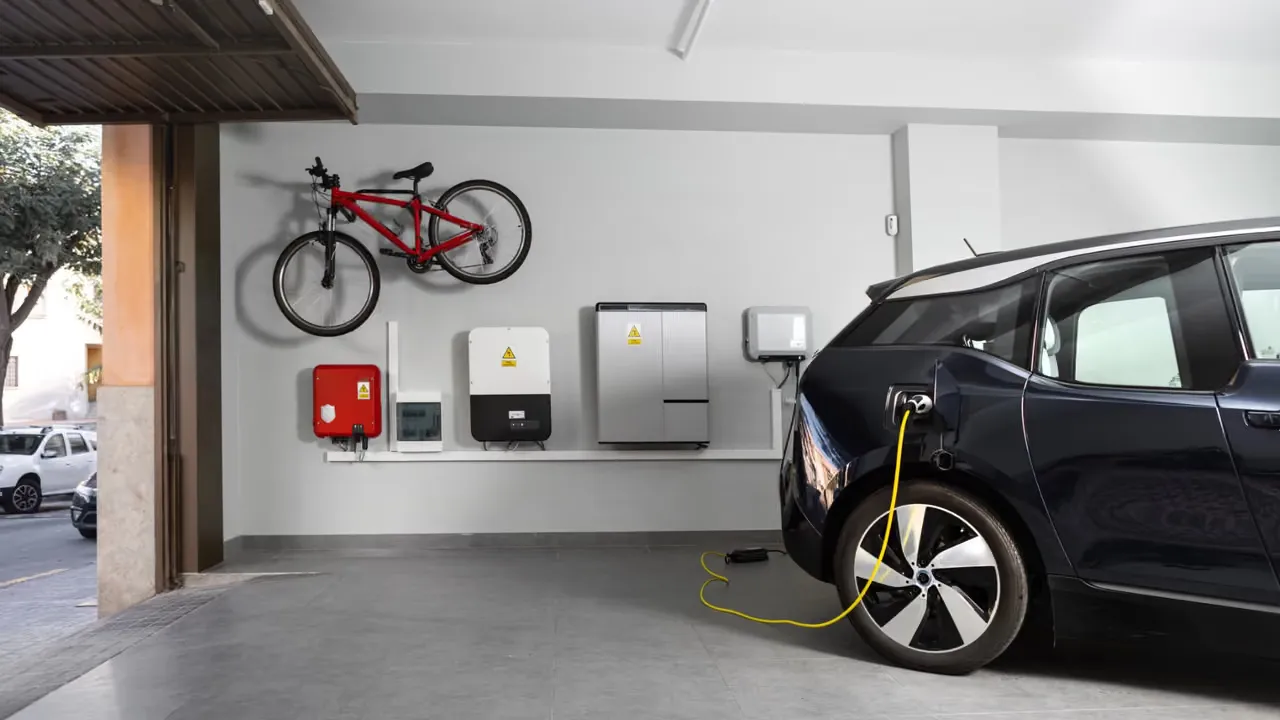
Besides recycling, giving batteries a second life helps sustainability. When a battery’s capacity drops below what’s needed for a car—usually around 70-80%—it can still work in less demanding roles. These include storing energy at homes or supporting the power grid. Using batteries this way extends their life, cuts waste, and delays the energy-heavy recycling process.
Future Prospects for Greener Battery Technologies
The future of EV batteries points to better sustainability by design. Scientists are exploring materials that are common and less toxic, like sodium, magnesium, and sulfur, to replace rare metals. These new chemistries face technical challenges but could bring big environmental gains.
Battery makers are also investing in greener production. This includes factories powered by renewable energy and more efficient manufacturing. Using circular economy ideas—where materials are reused, repurposed, and recycled in closed loops—is becoming a key strategy.
Policies and customer demand will keep pushing the industry toward openness and sustainability. As the EV market grows, the pressure to shrink the environmental cost of batteries will rise, driving new ideas and responsible supply chains.