
Why Home Charging Beats Public Fast Chargers
How green is your electric car really when it comes to charging? It’s easy to assume that driving an EV means zero emissions, but the environmental impact of powering these vehicles varies a lot depending on how and where you charge them. Exploring the carbon footprint of different EV charging practices reveals surprising insights about what makes one method greener than another—and what you can do to shrink your charging footprint.
Understanding the carbon footprint of EV charging
Electric vehicles themselves produce no tailpipe emissions, but the electricity they consume comes from a mix of power sources, some cleaner than others. The carbon footprint of charging an EV depends primarily on the energy grid’s fuel mix at the time and location of charging.
If your electricity comes mostly from coal or natural gas, each kilowatt-hour (kWh) used to charge your car generates more CO2 than if it comes from renewables like wind, solar, or hydropower. Even within the same country, carbon intensity can vary dramatically by region and hour of the day.
Additionally, the efficiency of the charging process itself influences environmental impact. Energy losses occur when electricity is converted and transferred through charging equipment, and fast chargers often have lower efficiency than slow home chargers.
Comparing home charging vs public fast chargers
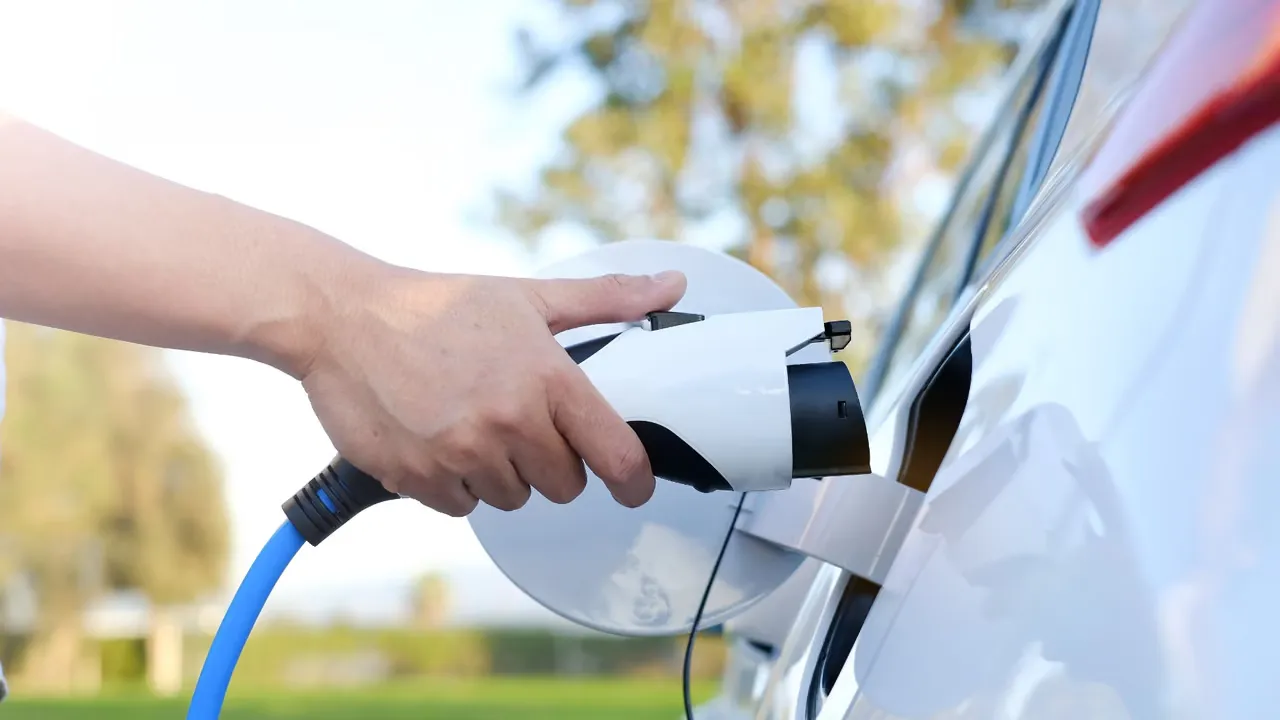
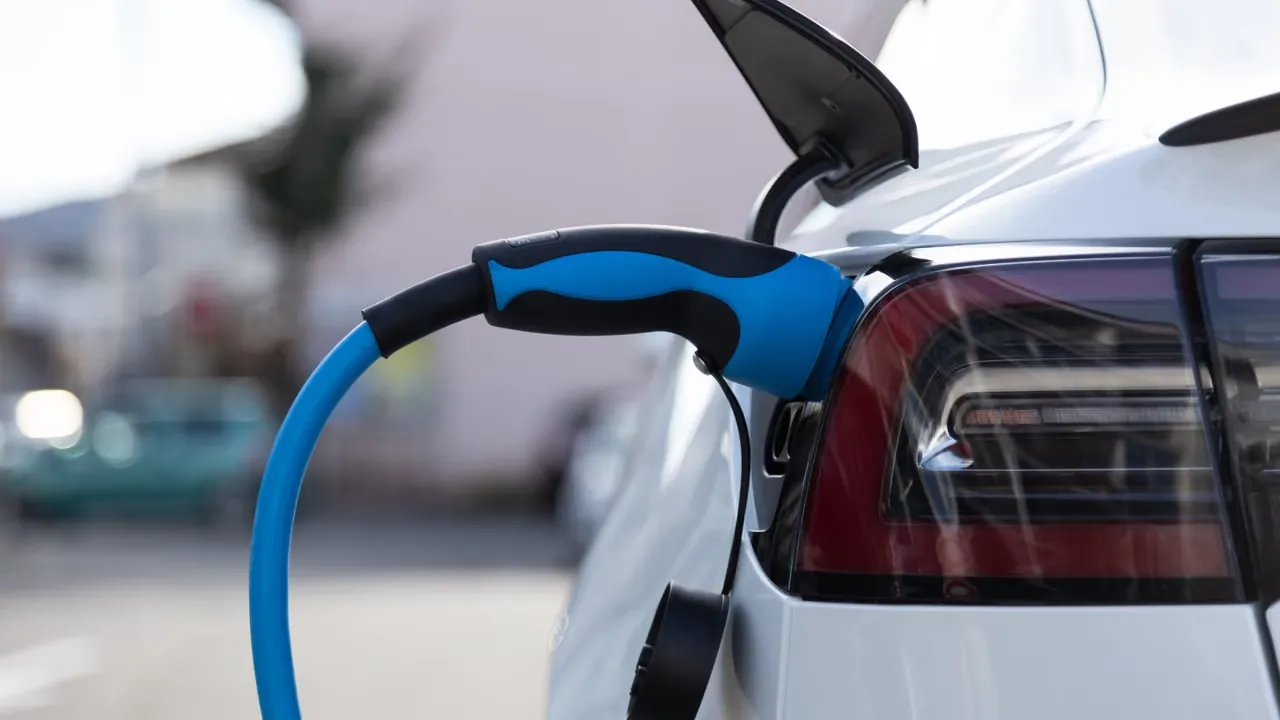
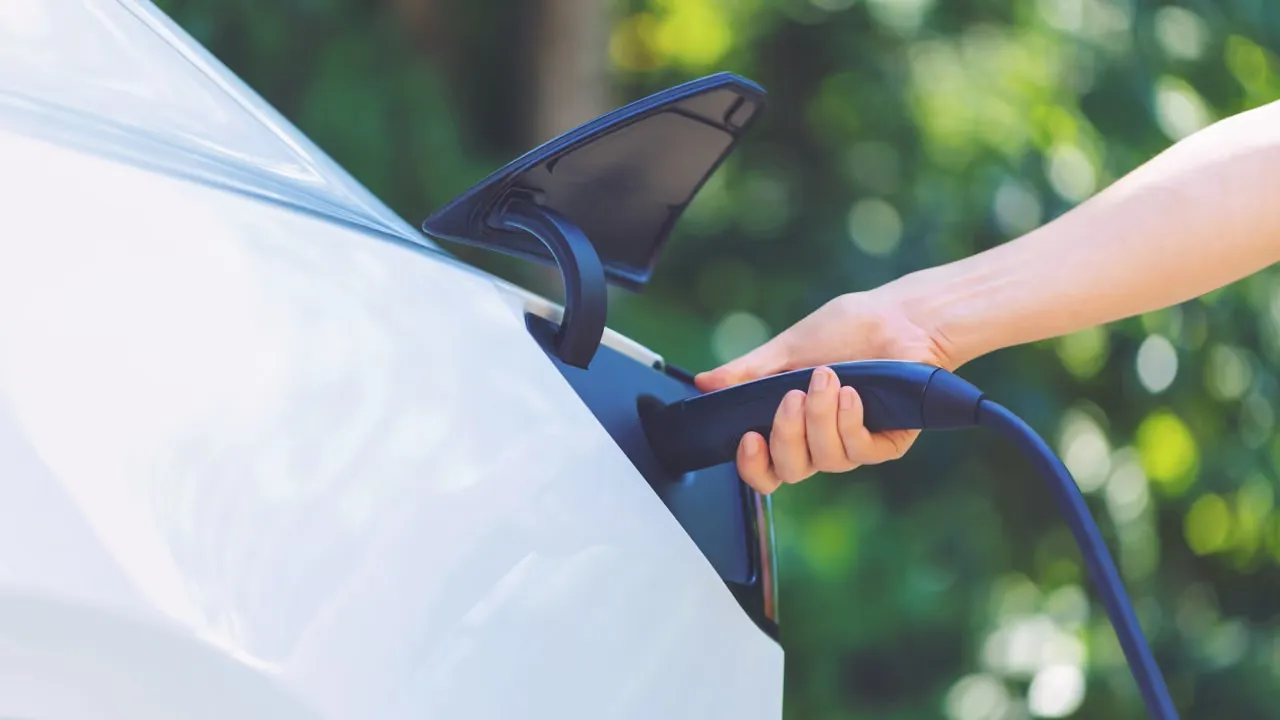
Most EV owners do the bulk of their charging at home, plugging in overnight when electricity demand is lower. Home charging generally uses Level 2 chargers (240 volts) that deliver power more slowly but efficiently. This slower charging means less energy wasted as heat and better battery longevity.
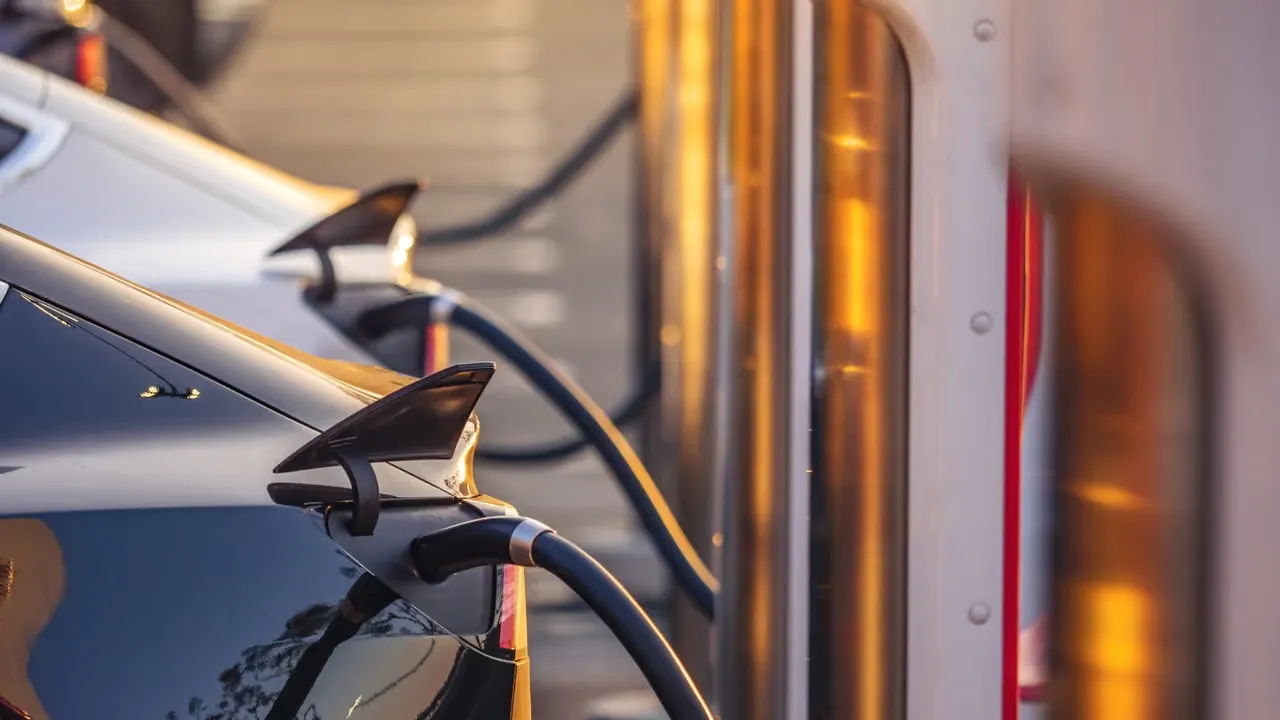
Public fast chargers, especially DC fast chargers, deliver a rapid energy boost, topping up batteries in under an hour. While convenient, these chargers typically draw power at higher rates and can be less efficient, sometimes losing 10-15% of energy during transfer.
From an environmental standpoint, home charging often produces a lower carbon footprint because:
- You can time your charging to coincide with periods of lower grid emissions—like overnight when renewable energy might be more abundant.
- Grid demand is lower, reducing the need to fire up fossil fuel plants to meet sudden spikes in electricity use.
- Charging efficiency is higher, meaning less energy wasted.
Public fast chargers tend to draw power regardless of grid conditions and often operate during peak demand hours, which can increase the carbon intensity of the electricity used.
The role of renewable energy in sustainable EV charging
The clearest path to minimizing the carbon footprint of EV charging lies in pairing your vehicle with renewable energy. This can take several forms:
- Installing solar panels at home lets you generate clean electricity to charge your EV directly or feed back into the grid.
- Subscribing to green energy tariffs ensures the utility company sources your electricity from renewables.
- Using smart chargers that automatically delay charging until renewable energy is plentiful on the grid.
Some public charging networks are also investing in renewable energy or partnering with green energy providers to power their stations sustainably. However, this is still less common than traditional grid power.
Practical tips to reduce environmental impact while charging
You don’t have to overhaul your life to make your EV charging greener. Small adjustments can lead to meaningful reductions in carbon emissions:
- Charge at home overnight when demand and carbon intensity are often lower.
- Use a Level 2 charger instead of a fast charger for daily top-ups to maximize energy efficiency.
- Install solar panels or choose a green energy plan to power your home charging sustainably.
- Avoid charging during peak grid hours in the late afternoon and early evening when fossil fuel plants ramp up.
- Monitor your grid’s carbon intensity through apps or utility data and schedule charging accordingly.
- Limit use of fast chargers to long trips or urgent situations to reduce energy losses and grid strain.
- Consider a smart charger that can automate charging during low-carbon periods.
By paying attention to when, where, and how you charge, you can make your EV truly clean from tank to wheel. It’s not just about the car itself but the full lifecycle of the energy that powers it.