

Global Gaps in Electric Vehicle Charging
Drive through a city in Norway and the sight of electric cars plugging into sleek charging stations is as common as gas pumps in any U.S. town. Now, take that same drive through rural India or parts of Eastern Europe, and the story changes drastically. The disparity in electric vehicle (EV) adoption around the world is closely tied to the uneven development of charging infrastructure. This gap shapes drivers’ experiences and ultimately dictates who gets to join the electric revolution and who remains on the sidelines.
Understanding Charging Infrastructure Variability Across Regions
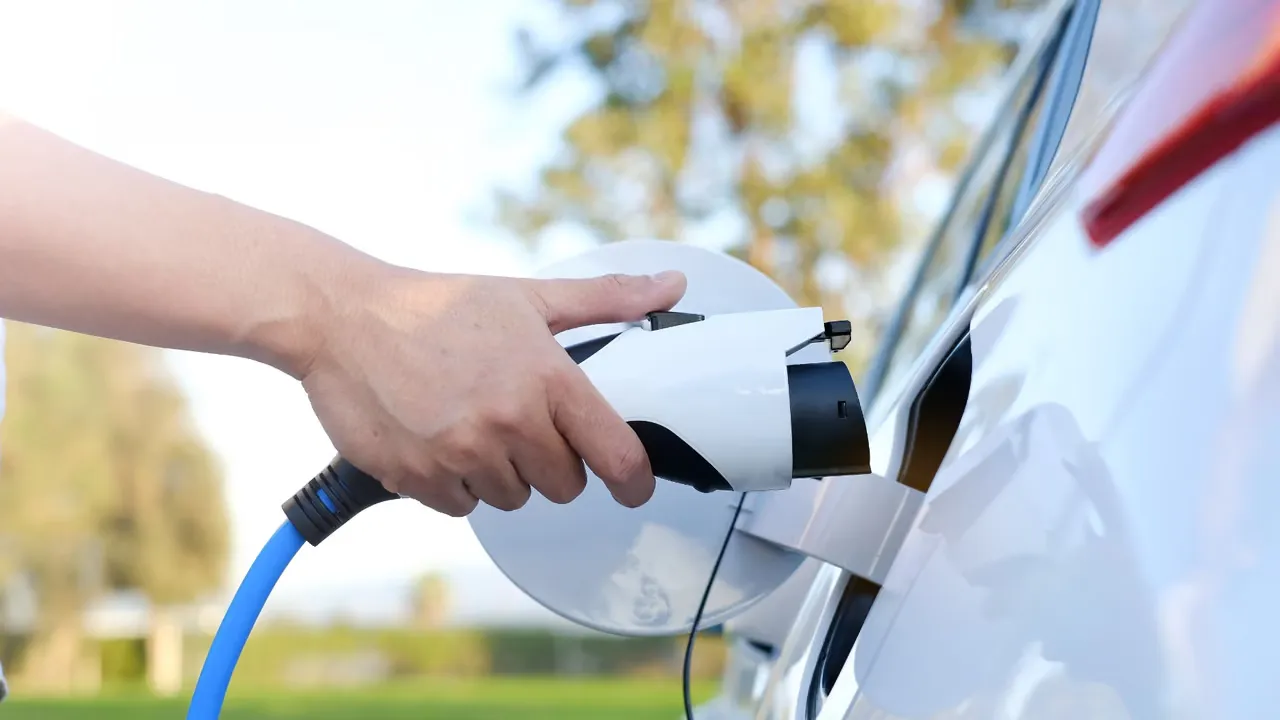
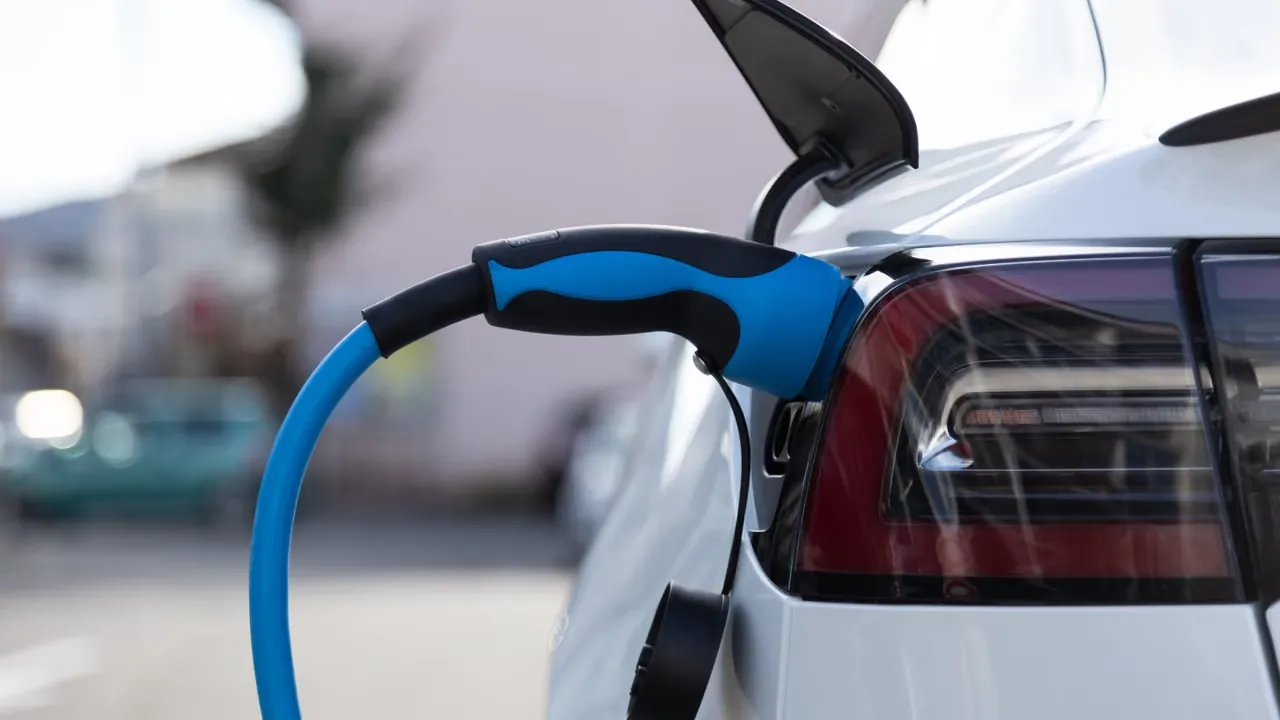
Electric car adoption depends heavily on the availability and convenience of charging options. In places like Western Europe, China, and parts of North America, you’ll find a dense network of fast chargers and home charging solutions. Urban centers in these regions are dotted with public charging stations, while many residential buildings have integrated EV chargers. This accessibility eases what’s often called “range anxiety” — the fear of running out of power without a nearby charger.
Contrast this with countries or regions where infrastructure is sparse or poorly maintained. In many developing nations, the electrical grid itself may be unreliable or insufficient to support widespread EV charging. Public charging stations are rare, and the cost of installing private chargers can be prohibitive. Rural areas, even in developed countries, often lack convenient charging points, making EV ownership a challenge outside metropolitan hubs.
Types of Charging Infrastructure
- Level 1 Chargers: Basic chargers using standard household outlets. Slow and mainly suitable for overnight home charging.
- Level 2 Chargers: Require specialized equipment and provide faster charging, common in residential and commercial settings.
- DC Fast Chargers: High-powered stations that can charge a vehicle up to 80% in under 30 minutes, essential for long-distance travel.
The availability of these charging types varies widely by region, affecting daily usability and the practicality of owning an EV.
The Role of Government Policies in Infrastructure Development
Government decisions play a pivotal role in shaping charging infrastructure. Norway’s aggressive incentives for EV buyers, combined with investments in a national charging network, have made it the world leader in EV market share. The government’s strategy went beyond subsidies; it mandated the expansion of public chargers and integrated EV considerations into urban planning.
China’s government has also heavily invested in building one of the largest public charging networks globally, aligning infrastructure rollout with its industrial policies supporting domestic EV manufacturers. Meanwhile, the European Union has passed regulations requiring member states to expand charging points and improve grid capacity to meet climate targets.
In contrast, some countries have lagged due to lack of clear policies or competing priorities. Without coordinated government support, private companies are often reluctant to invest in charging infrastructure, especially in regions where EV adoption is still low. This chicken-and-egg problem means infrastructure remains underdeveloped, which in turn dampens consumer interest in EVs.
Policy Examples
- Subsidies and Tax Incentives: To lower the cost of EVs and charging installations.
- Mandates for New Buildings: Requiring EV chargers in new residential and commercial developments.
- Investment in Public Charging: Governments funding or subsidizing the installation of fast chargers along highways and in urban centers.
- Grid Modernization: Upgrading electrical grids to handle increased demand from EVs.
Challenges Faced by EV Owners in Regions with Limited Support
Owning an electric car in a region with poor infrastructure is a daily puzzle. Drivers may spend considerable time locating a working charger, often dealing with incompatible plugs or malfunctioning stations. Many rely on slow Level 1 chargers, making long trips impractical. In some cases, the lack of adequate charging options forces owners to revert to gasoline cars for longer journeys, defeating the purpose of switching to electric.
Additionally, limited infrastructure can create social and economic divides. Wealthier urban residents might afford home chargers and new EV models with longer ranges, while rural or lower-income populations are excluded. This disparity risks turning the green mobility shift into a privilege rather than a widespread solution.
Range anxiety isn’t just a feeling; it’s a rational response to infrastructure gaps. Without reliable charging, EVs lose their edge in convenience and cost-effectiveness, stalling adoption rates.
Innovative Solutions and Future Prospects for Global Charging Networks
Despite these challenges, innovation is driving new solutions. Mobile charging units, solar-powered stations, and battery swapping are gaining attention as ways to bypass infrastructure limitations. Some startups and governments are experimenting with wireless charging embedded in roads or parking spaces, which could revolutionize ease of use.
Collaboration between governments and private companies is also growing. Public-private partnerships can spread costs and risks while accelerating network deployment. International standards for chargers and payment systems are emerging to ensure compatibility, helping travelers cross borders without hassle.
In regions with unreliable grids, microgrids powered by renewable energy offer a sustainable way to support EV charging while reducing strain on national infrastructure. This approach could be particularly impactful in remote or off-grid communities.
The electric car’s future depends not only on battery technology and vehicle price but on the invisible web of chargers that keep them running. As global awareness grows, so does the urgency to bridge these regional divides and build a truly accessible charging network for everyone.