
Charging Ahead Lessons for Future Roads
How will electric cars change the way we tackle long-distance travel and reshape the highways we rely on?
Current Challenges of Long-Distance Travel in Electric Cars
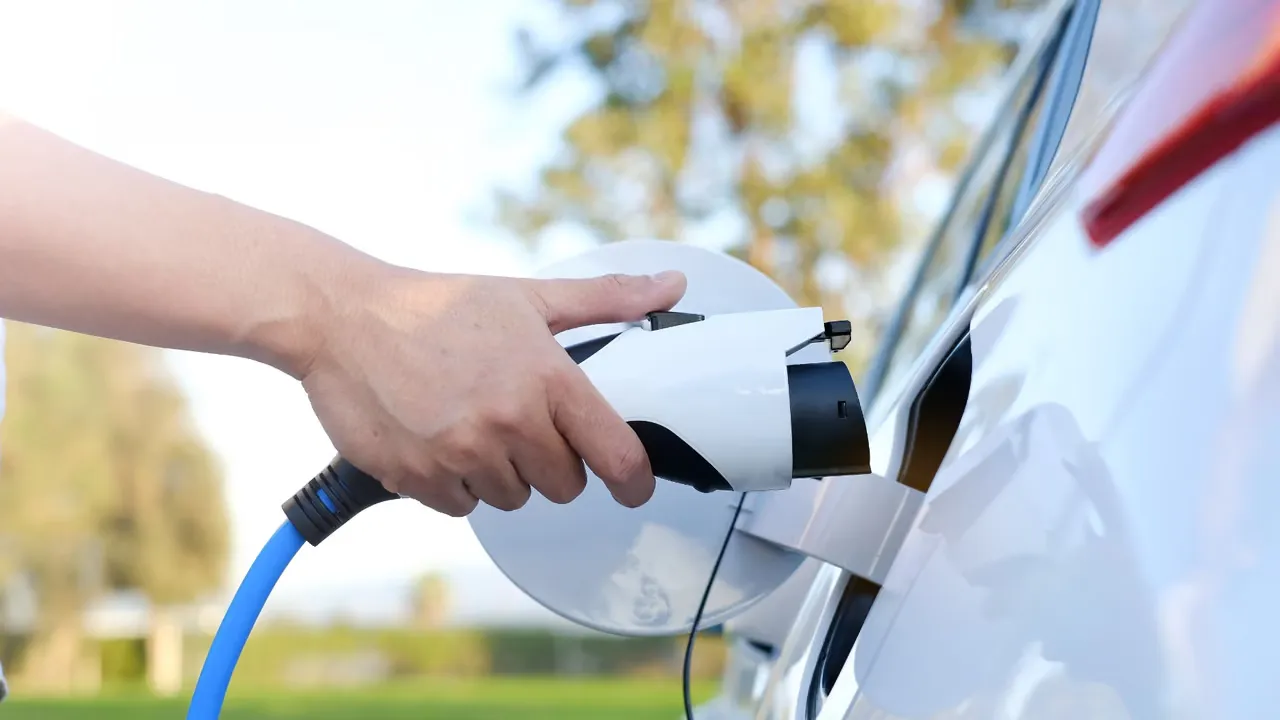
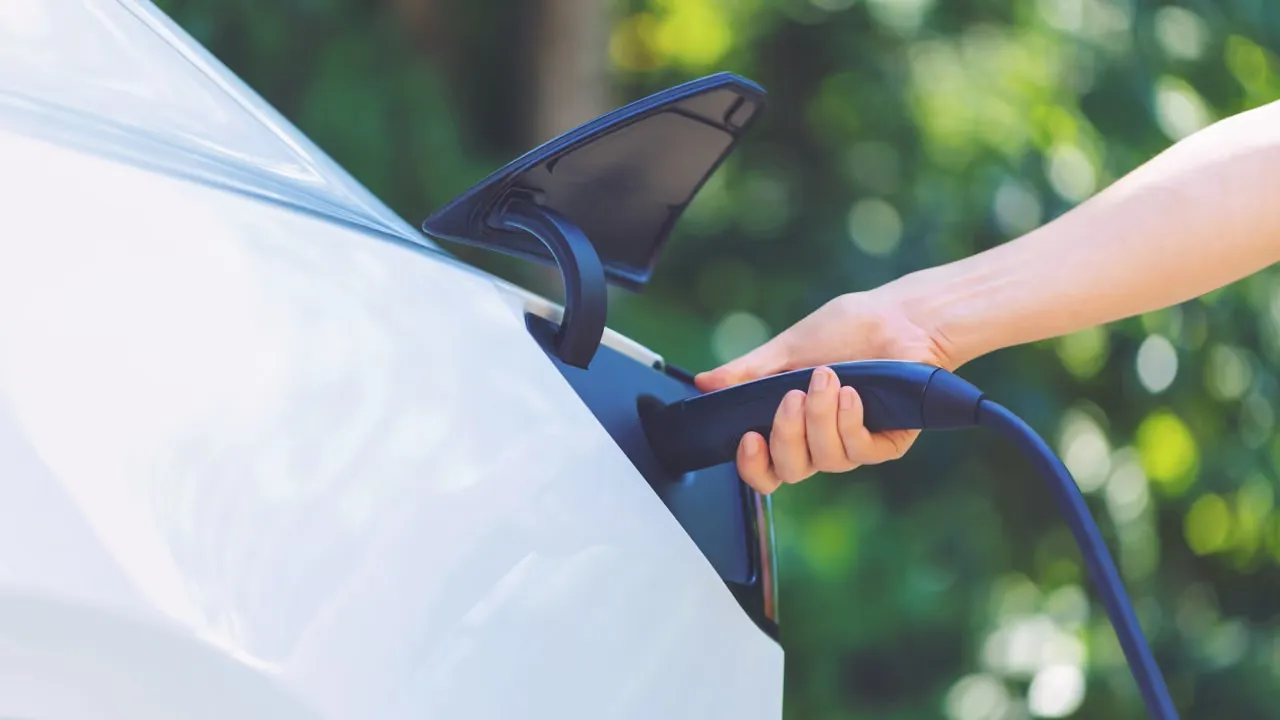
Long-distance travel in electric vehicles (EVs) is no longer a niche concern; it’s becoming a mainstream consideration as more drivers switch from gasoline to batteries. Yet, the transition is not without its hurdles. The biggest challenge remains the limited range compared to traditional internal combustion engine vehicles. Most affordable electric cars today offer between 200 and 300 miles on a full charge, which can be tight for long highway trips where charging stops are sparse.
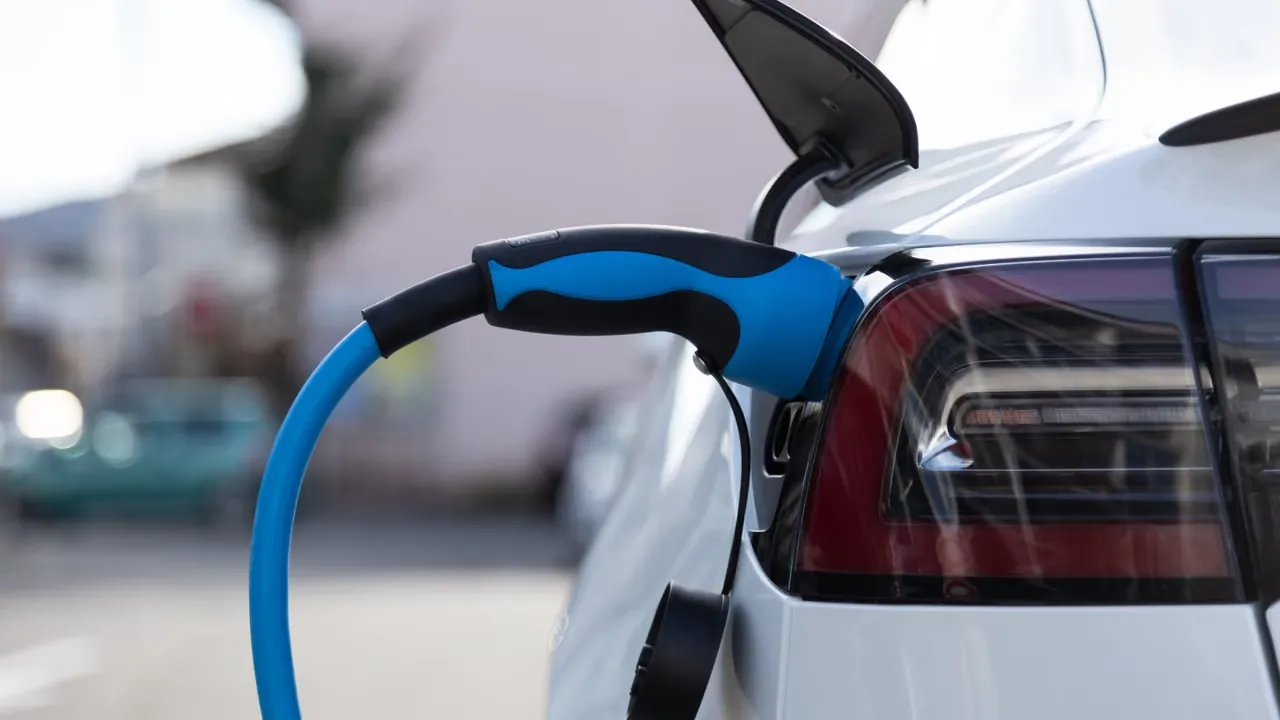
Range anxiety, the fear of running out of power far from a charging station, still looms large. Unlike gas stations, which are plentiful and quick to refuel, EV charging points are fewer and slower. Fast chargers typically require 20 to 40 minutes to provide an 80% charge, significantly lengthening travel time compared to a 5-minute gas fill-up. This disrupts the natural rhythm of long-distance travel and demands more careful planning.
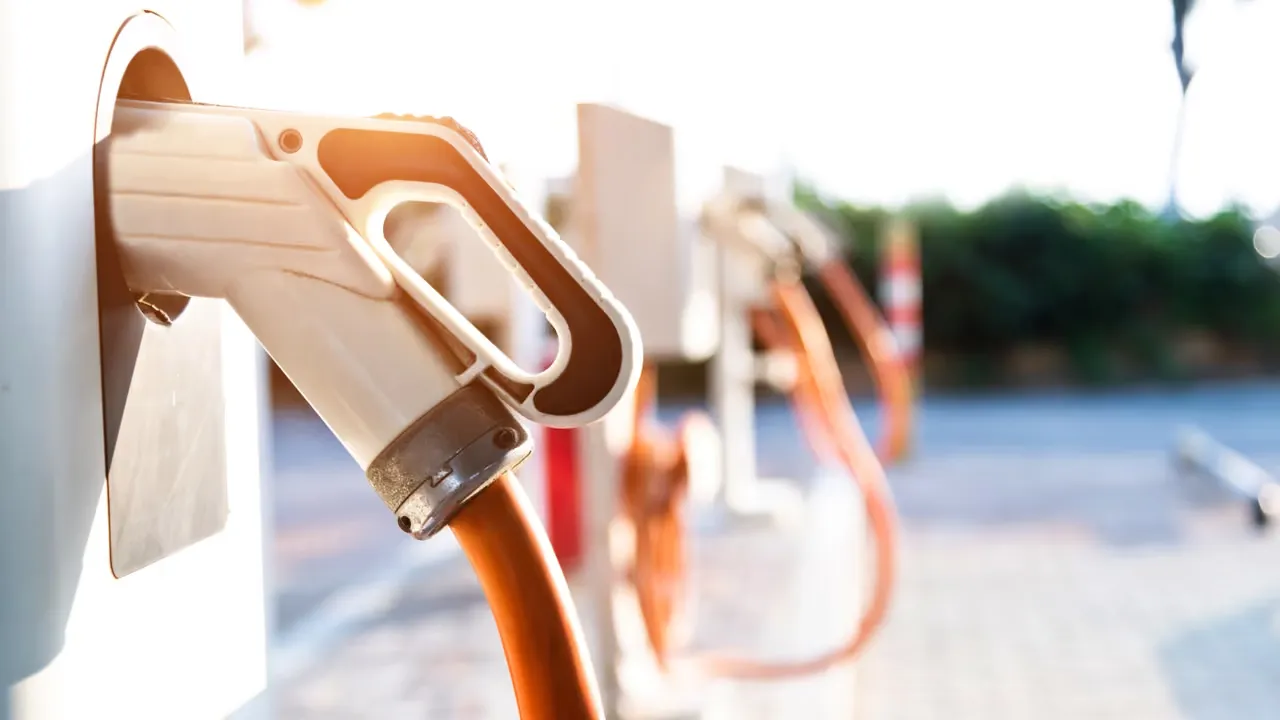
Another issue is the availability and reliability of charging infrastructure along highways. Many current fast chargers are concentrated in urban or suburban areas, leaving rural stretches less covered. Additionally, inconsistent charger performance and maintenance problems can add unpredictability to journeys.
Innovations in Charging Technology for Highway Use
To address these concerns, the industry is pushing forward with rapid advancements in charging technology specifically designed for highway corridors. Ultra-fast chargers, capable of delivering 250 kW or more, are becoming increasingly common. These chargers can add over 200 miles of range in 15 to 20 minutes, cutting charging time drastically and making pit stops more comparable to traditional gas breaks.
Battery technology is also evolving. New battery chemistries and improved thermal management allow faster charging without degrading battery life. Solid-state batteries, though still in development, promise even greater range and charge speed, potentially enabling highway charging sessions under 10 minutes.
Wireless charging is another innovation gaining attention. Imagine pulling off a highway onto a rest stop lane equipped with embedded charging pads—your car tops up without plugging in. This could make charging seamless and invisible to drivers, encouraging more frequent short charges that reduce range anxiety.
Impact of Electric Cars on Highway Infrastructure Planning
The rise of electric cars is forcing planners and policymakers to rethink highway infrastructure. Traditional rest stops designed around quick gas refills and food breaks need to accommodate longer dwell times for charging. This means larger parking areas with multiple charging points, shaded waiting zones, and amenities to keep travelers comfortable during longer stops.
Energy demand management becomes critical as highways start hosting clusters of ultra-fast chargers. Power grids near these corridors require upgrades to handle sudden surges in electricity use. Some states and regions are investing in dedicated renewable energy sources and battery storage systems to stabilize supply and reduce environmental impact.
Highway signage and digital infrastructure are also evolving. Real-time information about charger availability, wait times, and reservation systems help drivers plan their stops efficiently. This reduces congestion at charging stations and smooths traffic flow.
Moreover, there’s a growing movement to integrate EV charging with broader smart city and smart highway initiatives. This includes vehicle-to-grid technologies where parked EVs can feed electricity back into the grid during peak demand, turning highways into dynamic energy hubs.
Future Outlook Autonomous Electric Highways and Their Potential
Looking ahead, the convergence of electric vehicles and autonomous driving technology promises to revolutionize highway travel further. Autonomous electric highways, equipped with smart sensors and communication networks, could enable self-driving EVs to coordinate speeds, reduce traffic jams, and optimize energy use.
In such scenarios, charging infrastructure could become even more efficient. Autonomous EVs might automatically divert to less crowded charging stations, or even swap batteries at automated stations without human intervention. This reduces downtime and keeps traffic moving smoothly.
Highways themselves could be retrofitted with dynamic charging lanes—embedded inductive charging systems that power vehicles as they drive. This would dramatically cut the need for lengthy stops, making long-distance travel in electric cars as convenient as—or potentially more than—gas-powered trips.
These innovations could shift the entire paradigm of road travel. Instead of planning trips around where and when to charge, drivers might simply enter destinations and let autonomous EVs handle the logistics, charging, and driving. The highway becomes a smart, electrified ecosystem designed for efficiency, safety, and sustainability.