

Unplugging the Secrets of Electric Travel
the tangled web of ev charging
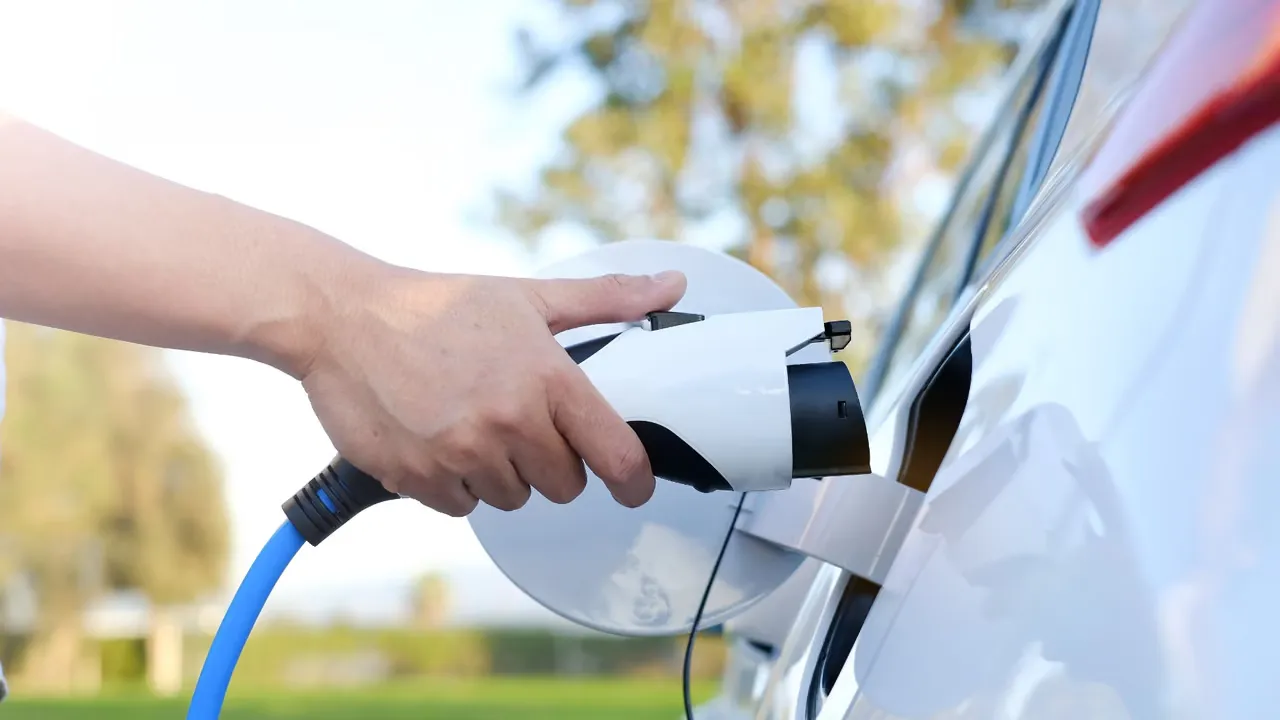
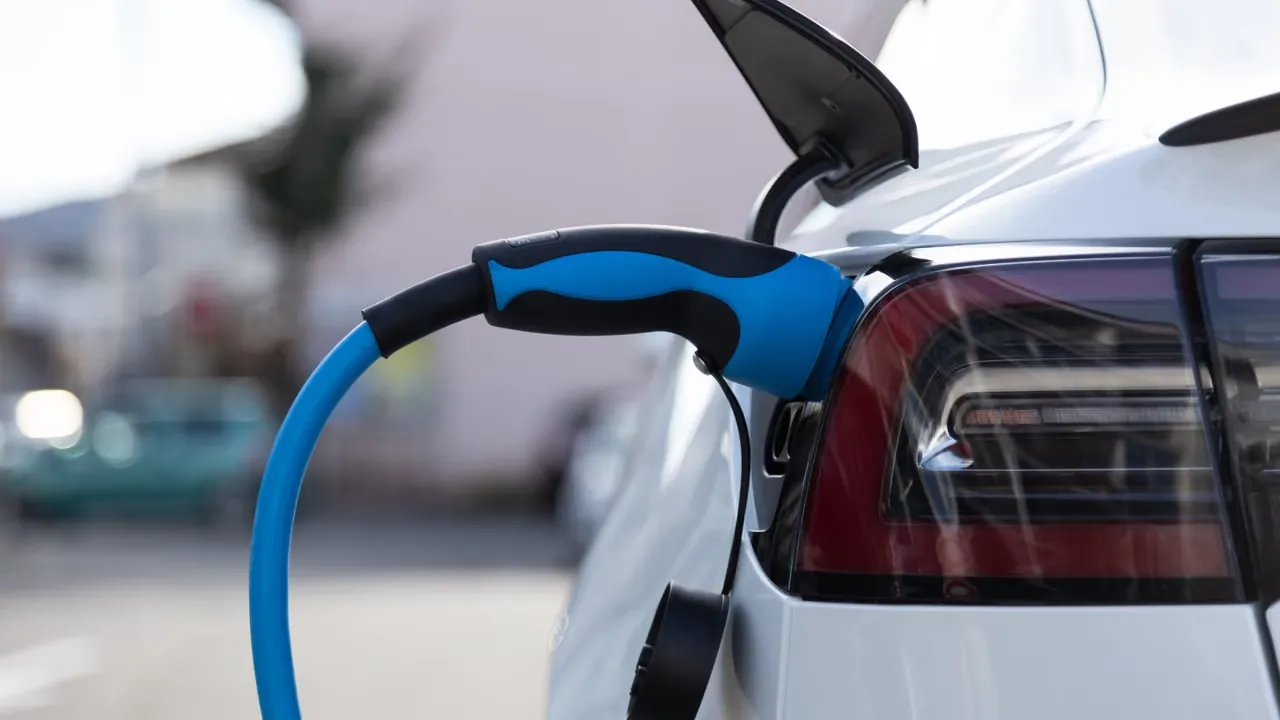
Electric vehicles (EVs) are more than just a new way to get from point A to point B; they represent a seismic shift in our relationship with transportation. But as we embrace this change, we confront an undeniable reality: the charging infrastructure is still playing catch-up. Have you ever felt that pit in your stomach when you see your battery gauge dipping low, and you’re unsure where the next charging station is? It’s a feeling that many EV owners know all too well. Let’s unravel the complexities of EV charging and see where we stand.
the charging landscape
At the heart of the EV experience lies the charging station. These come in different flavors, and understanding their nuances is crucial for any EV driver.
the three main types of charging
- Level 1 Chargers: These are your basic home chargers that plug into a regular outlet. Sure, they’re convenient for overnight charging, but if you’re in a hurry, they can feel like watching paint dry.
- Level 2 Chargers: A step up, these chargers are often found at public locations like malls or workplaces. They’re faster than Level 1 but still won’t get you charged up as quickly as you might hope.
- DC Fast Chargers: The superheroes of the charging world. Found at highway rest stops, they can juice up your battery to 80% in about 30 minutes. If you’re on a long road trip, these are your best friends.
But here’s the kicker: the demand for charging stations is soaring as more people switch to EVs. The locations of these chargers matter just as much as their speed. Picture this: you pull into a charging station only to find it’s full. Frustrating, right? We need to look beyond just adding chargers; we need a thoughtful approach to their placement.
the tech behind the charging stations
Charging isn’t just a matter of plugging in; it’s about the technology that makes it all work. Have you ever wondered how stations keep track of usage? It’s all about sophisticated software that manages everything behind the scenes.
what makes charging software essential
- Real-time Monitoring: Imagine driving to a station, only to find it’s out of order. Real-time updates keep drivers informed and save them from unnecessary detours.
- User Authentication: Security is key. Charging stations need to identify users to manage billing and prevent misuse.
- Data Analytics: Understanding usage trends helps optimize services. Who doesn’t want a smoother charging experience?
- Energy Management: With peak times for charging, it’s essential to manage energy consumption smartly. Balancing the load is crucial.
Without this tech, chaos would reign. Would you trust a system that couldn’t provide you with reliable information about where to charge? I certainly wouldn’t.
the road ahead for ev charging
So, what’s in store for the future? As EV adoption skyrockets, we’re bound to see innovations that make charging faster and more integrated with renewable energy sources. Imagine charging your car with solar energy while parked at a station. It’s not a fantasy; it’s a glimpse into what could be our reality.
community initiatives and their impact
Communities are stepping up to the plate. Cities are investing in public charging infrastructure, recognizing that supporting EV adoption is a collective effort. Have you noticed more charging stations sprouting up in your area? It’s a response to a growing demand.
the convenience factor
Charging your EV shouldn’t feel like an inconvenience. It should be as seamless as filling up at a gas station. Yet, here we are, figuring out where to charge while also hoping the station isn’t out of service. As we shift towards electric vehicles, we need to demand better infrastructure. The question is: are we ready to advocate for the changes necessary to make EV charging effortless? It’s time to take charge and push for a future where charging is as easy as turning the key in your ignition.
embracing the change
The transition to electric vehicles isn’t just about reducing our carbon footprint; it’s about rethinking how we view transportation in general. As we dive deeper into this electric age, the charging infrastructure must evolve too. We need to ask ourselves — are we prepared to embrace the future of travel and the challenges that come with it? The answer lies in the choices we make today and the systems we put in place for tomorrow.