
Unlocking the Mysteries of Electric Driving
the electric vehicle charging challenge
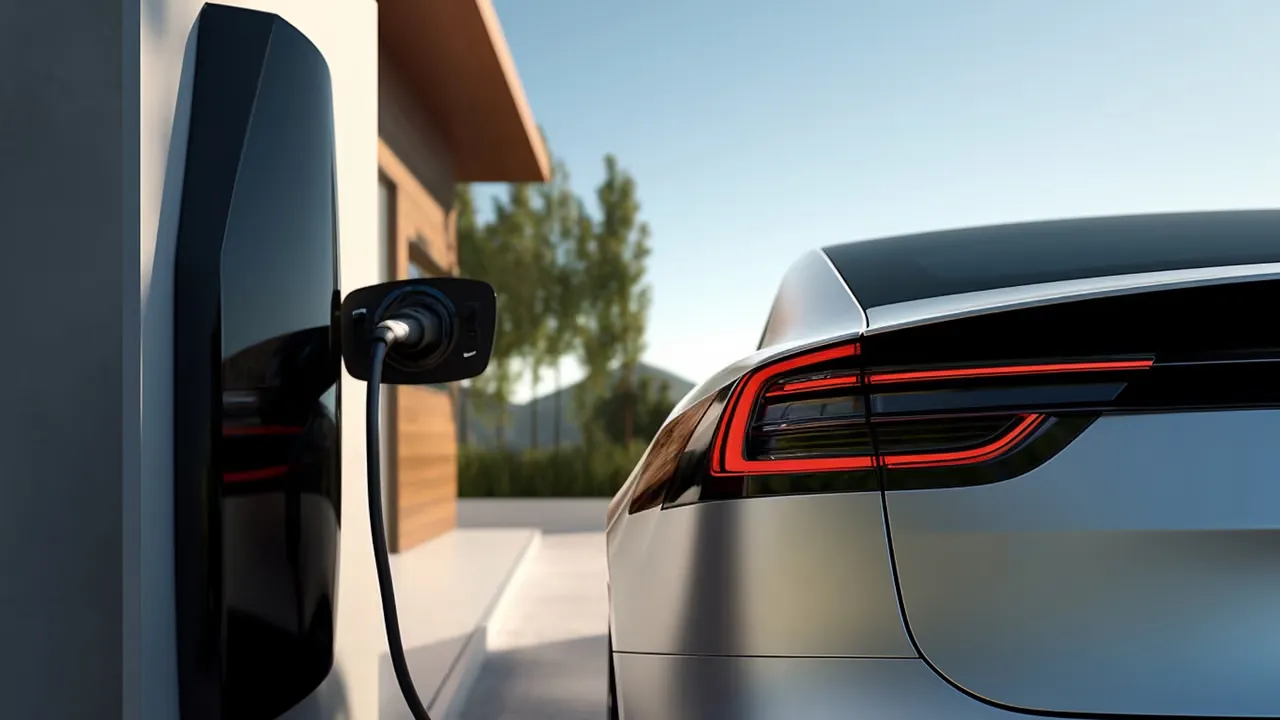
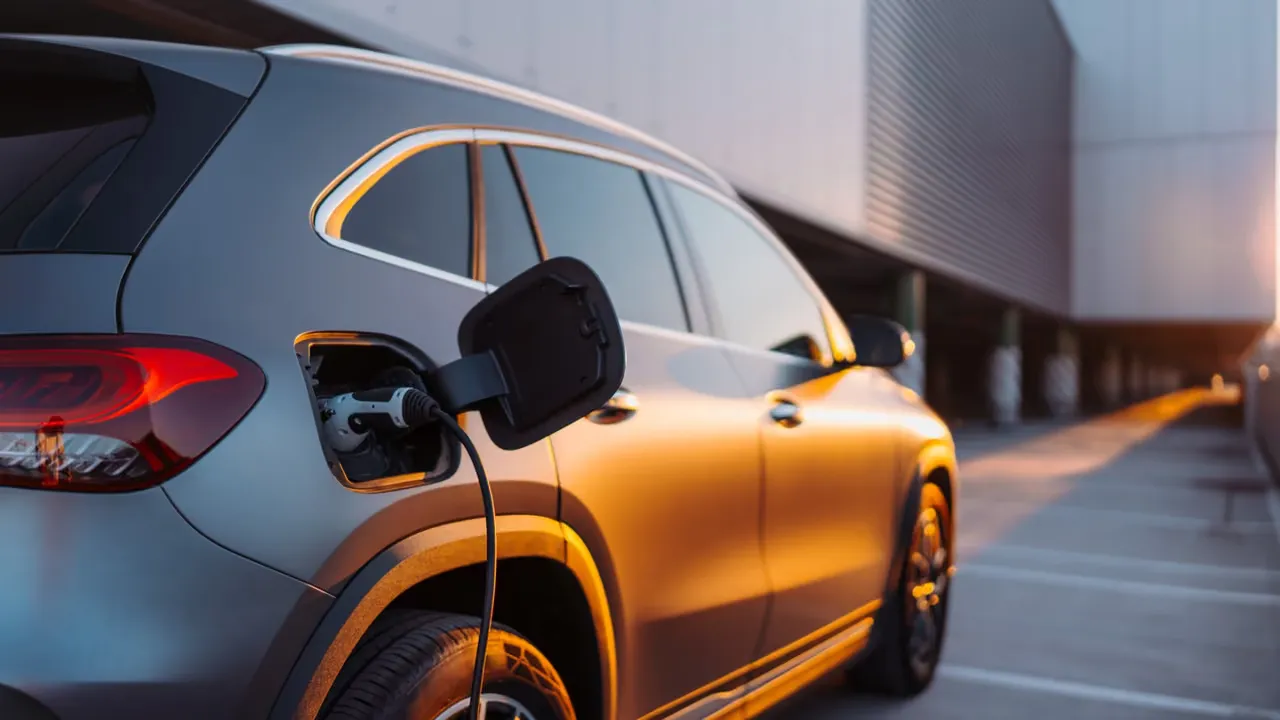
Let’s get real. Electric vehicles (EVs) are not just a passing fad; they represent a shift in how we view personal transportation. But as we embrace this eco-friendly ride, the charging infrastructure is struggling to keep up. Ever found yourself in a bind, battery low, searching for a charging station? It’s like a bad dream, isn’t it? The excitement of driving your slick new EV can quickly fade when faced with the reality of charging woes.
understanding charging options
Before you hit the road, it’s essential to know your charging options. Not all chargers are created equal, and knowing the difference can save you time and frustration.
types of charging stations
- Level 1 Chargers: The slow and steady option. These chargers plug into a standard household outlet. They’re great for overnight charging but can’t be relied upon for a quick top-up during the day.
- Level 2 Chargers: You’ll find these in public places like shopping malls and workplaces. They’re faster than Level 1 but won’t have you zipping away in a flash.
- DC Fast Chargers: The heavyweights of the charging world. Found at highway rest stops, they can boost your battery to about 80% in roughly 30 minutes. If you’re on a long journey, these are your best friends.
But here’s the catch: as more folks make the switch to EVs, the need for charging stations has exploded. Imagine pulling into a station only to find it’s already occupied. Frustration levels rise, and suddenly your joyride feels like a chore.
the tech behind the charging experience
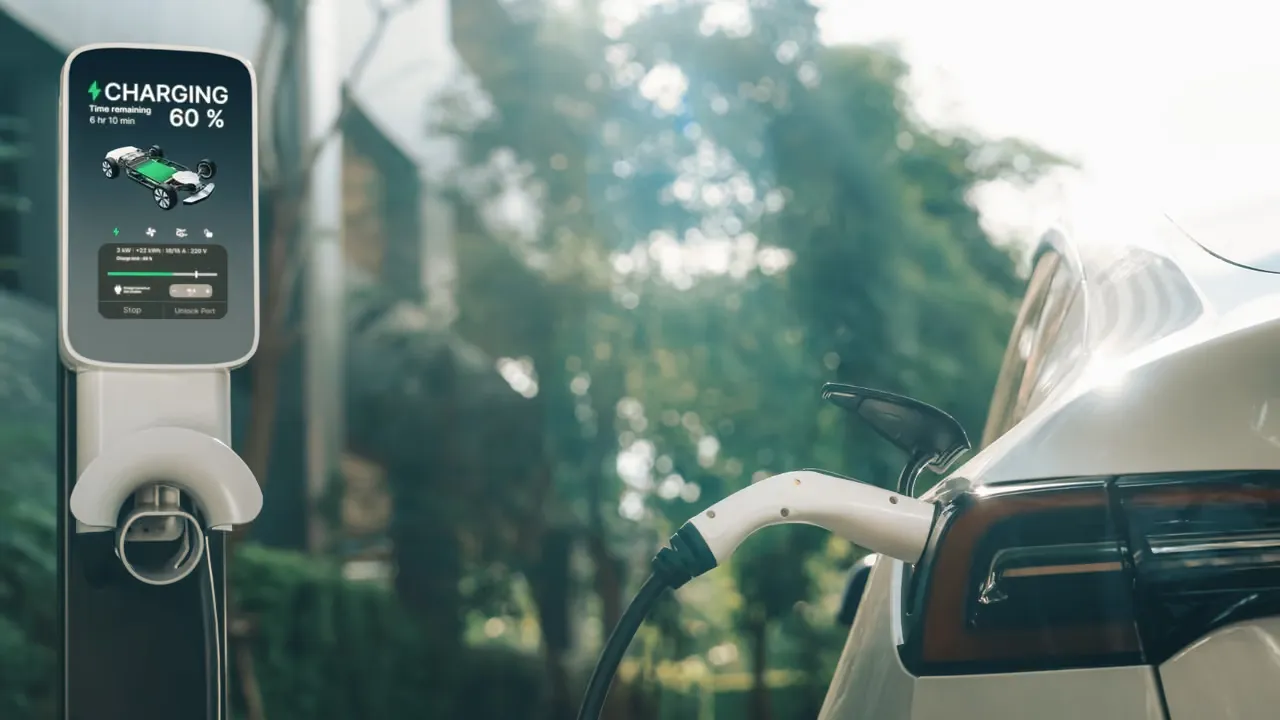
Charging isn’t merely a plug-and-play situation; there’s a whole tech ecosystem behind it. Have you ever wondered how charging stations keep track of who’s using them? Spoiler alert: it’s all about smart software that manages everything from availability to billing.
why charging software is crucial
- real-time monitoring: No one wants to drive to a charging station only to find it out of service. Real-time updates save you from unnecessary detours and disappointment.
- user authentication: Security matters. Charging stations need to identify users for billing and to prevent misuse. It’s a simple yet vital layer of safety.
- data analytics: This helps operators understand usage patterns and optimize services. Who wouldn’t want a smoother charging experience?
- energy management: During peak times, it’s crucial to manage energy smartly. Balancing the load means everyone gets their turn without long waits.
Without this tech, the charging landscape would be chaos. Would you trust a system that couldn’t provide reliable info on where to charge? I know I wouldn’t.
what’s next for ev charging?
As EV adoption continues to climb, we can expect to see innovations that make charging more efficient, maybe even integrated with renewable energy. Picture this: charging your car with solar power while grabbing a coffee. It’s not just a dream; it’s a glimpse into the future.
community initiatives are key
More communities are stepping up. Cities are investing in public charging infrastructure. Have you noticed new charging stations popping up in your neighborhood? That’s a response to the growing demand for EVs. When the community gets involved, everyone benefits.
the convenience factor
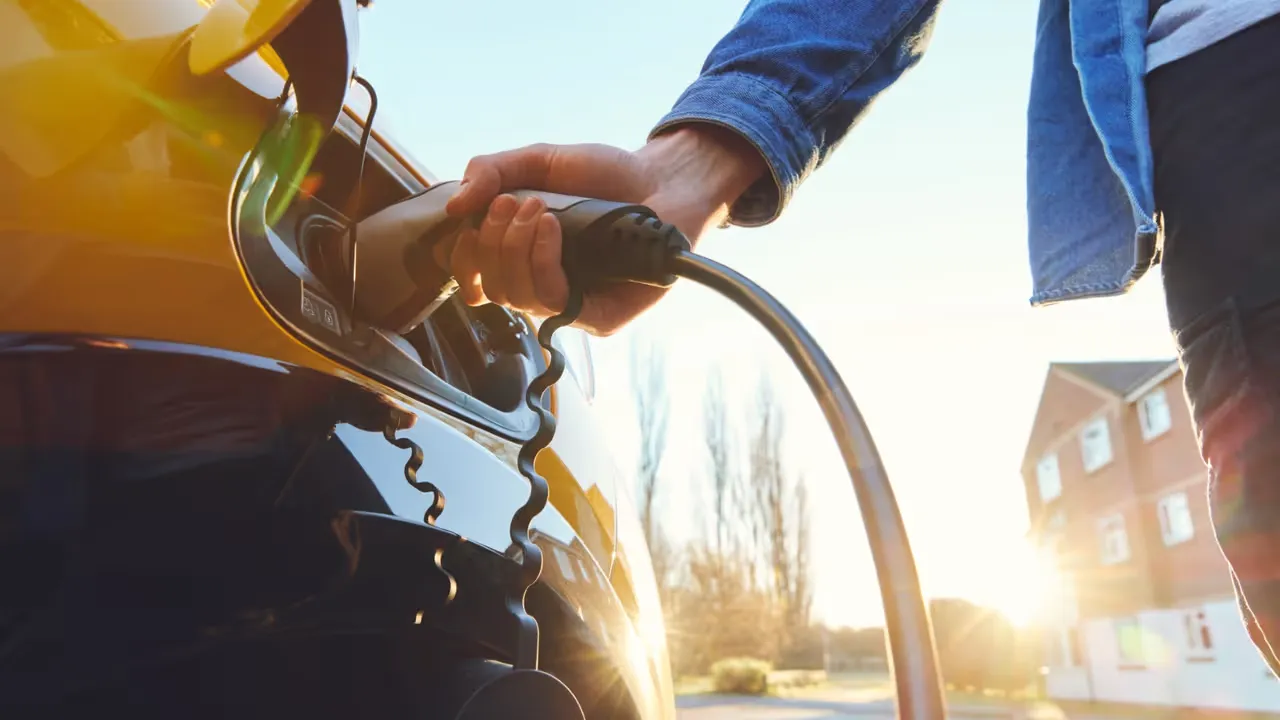
Charging your EV should be as easy as filling up at a gas station. Yet, we’re stuck navigating a maze of charging stations while hoping the one we pick isn’t broken. It’s time to push for better infrastructure. Are we ready to advocate for seamless charging experiences?
embracing the electric future
The shift to electric vehicles isn’t just about being eco-friendly; it’s a chance to rethink our entire transportation model. As we dive deeper into this electric age, the charging infrastructure must evolve alongside us. Are we prepared to embrace both the opportunities and challenges that come with this transition? The choices we make today will shape our tomorrow.
the unexpected costs of charging
Let’s talk dollars and cents. Charging isn’t free, and costs can vary widely depending on your location. Charging at home is usually cheaper than public stations, especially fast chargers. Some savvy folks even install solar panels to cut costs. But is the investment worth it? For many, the savings on gas alone can justify the initial setup.
maximizing your charging experience
- charge at home: If you can, install a Level 2 charger. It’s convenient and saves you time.
- use apps: Several apps help locate charging stations and check their availability. Don’t hit the road without one!
- timing is key: Charging during off-peak hours can save you money, especially if your utility offers time-of-use rates.
It’s about making the most of your EV experience. Have you thought about how to optimize your own charging habits? The landscape is changing fast, and we should be ready to adapt.
the tangled web of ev charging
As we embrace electric vehicles, we must untangle the complexities of charging. The excitement of going electric can quickly turn into a headache if we don’t address the charging challenges. Are we ready to face the reality of our current infrastructure and push for the improvements we need? The answer lies in our hands.