
Electric Vehicles Transform Home Energy Use
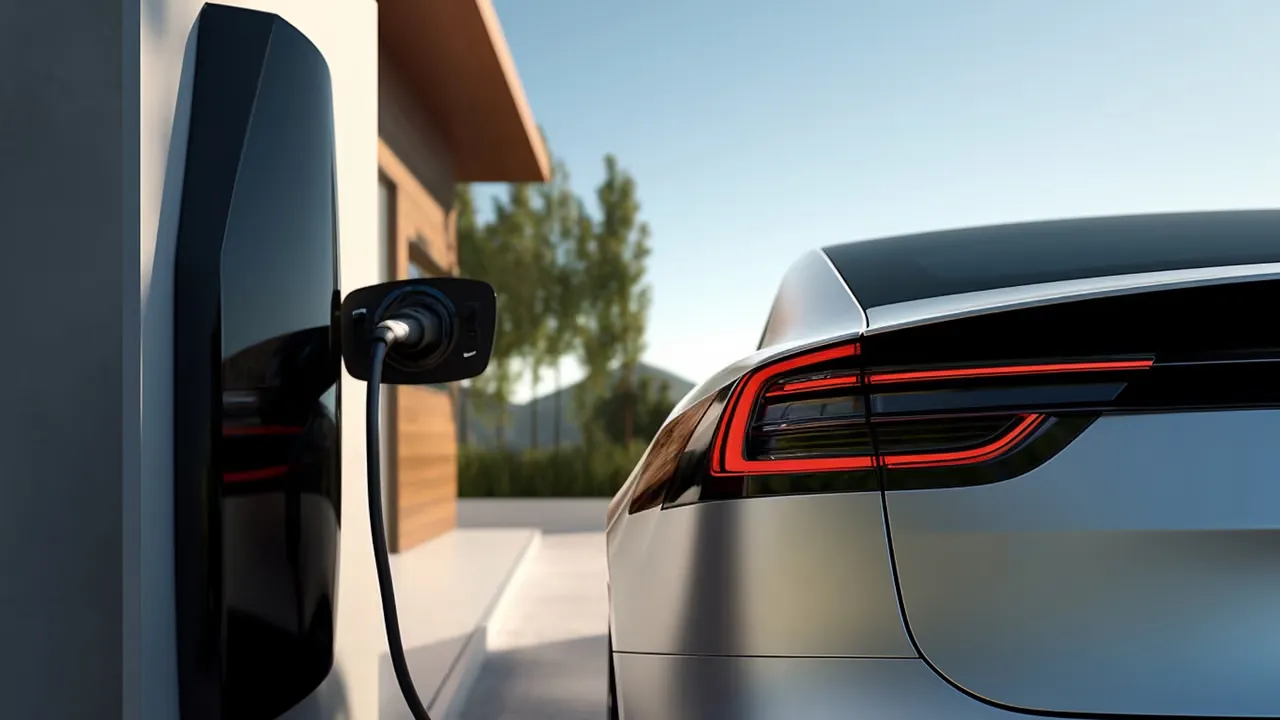
Electric vehicles are no longer a niche choice for eco-conscious drivers; they are rapidly becoming a fixture in suburban driveways and urban garages alike. With this rise, home EV charging is reshaping how households consume electricity, influencing not just individual energy bills but also the broader demand on power grids. The shift from fueling at gas stations to plugging in at home brings a complex web of challenges and opportunities that homeowners and utilities must navigate together.
The Rise of Home EV Charging and Its Effect on Household Electricity Use
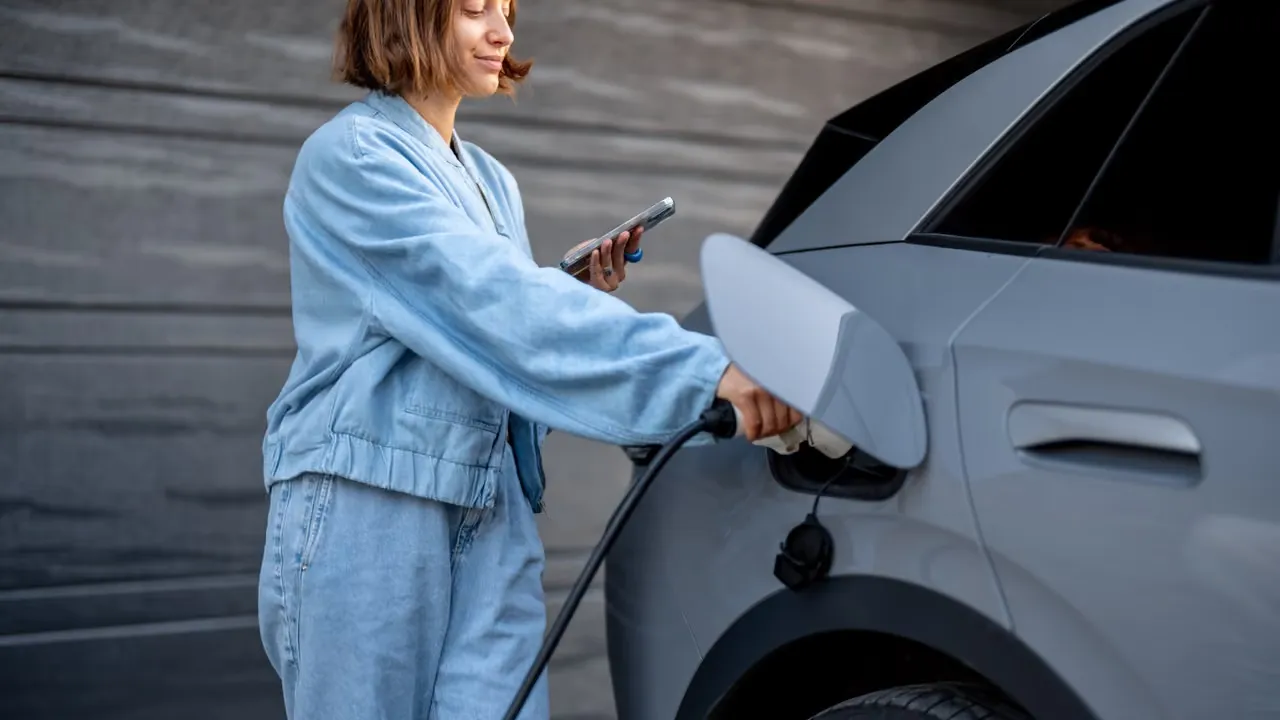
Charging an electric vehicle at home turns a once-infrequent activity—refilling a gas tank—into a daily electricity consumption event. Unlike traditional appliances, EV chargers can draw significant power, especially when using faster Level 2 chargers that operate at around 7 kW or more. This means a household’s electricity use can spike dramatically, particularly in the evening hours when many owners plug in after work.
Studies show that EV charging can increase a home’s electricity consumption by 30% or more, depending on driving habits and charging frequency. This increase affects not only monthly bills but also the timing of energy use. Evening hours are already peak demand periods for many utilities, so adding EV charging at these times puts additional strain on local distribution networks.
Challenges Homeowners Face Integrating EV Charging with Existing Electrical Systems
Many homes, especially those built before the EV boom, weren’t designed with high-capacity electrical loads in mind. Integrating an EV charger often requires upgrading the electrical panel or rewiring parts of the home to handle the added demand safely. This can be a costly and disruptive process.
Beyond installation costs, homeowners also face:
- Capacity limits: Older homes might have 100-amp service, which can be insufficient when combined with other household loads.
- Permitting and inspection hurdles: Local regulations vary, and navigating the bureaucracy can delay installations.
- Safety considerations: Improper installation risks overloads and fire hazards.
Without proper planning, homeowners might find that charging their EV affects the performance of other appliances or triggers utility demand charges if they have time-of-use rates.
Opportunities for Managing Grid Load through Smart Home Charging Solutions
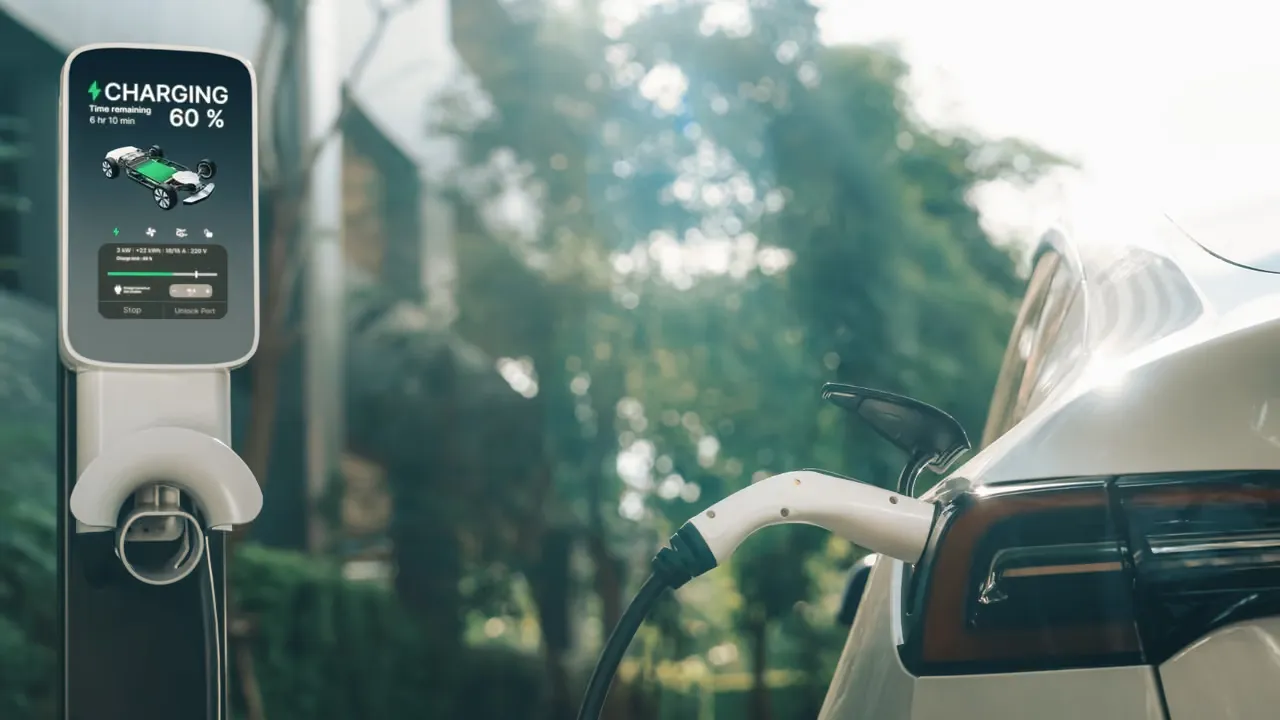
Smart charging technology is emerging as a key tool for balancing home EV charging with grid demands. These systems can modulate charging speed based on electricity prices, grid conditions, and household usage patterns.
For example, a smart charger can delay or slow charging during peak grid demand hours, then ramp up when electricity is cheaper and cleaner. This not only lowers costs for consumers but also helps prevent grid congestion and reduces reliance on carbon-intensive peaker plants.
Some utilities offer incentives or rebates for smart chargers, encouraging adoption to flatten demand peaks. Home energy management systems that integrate solar panels, battery storage, and EV chargers create even greater flexibility. They can prioritize using stored solar energy to charge vehicles during the day, further reducing grid dependence.
Benefits of smart charging include
- Cost savings by avoiding high time-of-use rates
- Reduced carbon footprint through optimized charging times
- Improved grid reliability and reduced risk of outages
Future Trends Integrating Renewable Energy and Energy Storage with Home EV Chargers
The future of home EV charging lies at the intersection of renewables, storage, and intelligent control. As solar panel prices continue to fall, more EV owners are installing rooftop systems to generate their own electricity. Coupling solar with home battery storage means drivers can charge their vehicles with clean energy even after the sun sets.
Vehicle-to-home (V2H) and vehicle-to-grid (V2G) technologies are also gaining traction. These innovations allow EVs to act as mobile energy storage units, feeding electricity back to the home or grid during peak demand periods. This bi-directional flow transforms EVs from mere consumers to active participants in energy management.
Regulatory frameworks and utility programs are evolving to support this integration. Time-of-use pricing, demand response programs, and grid services markets create financial incentives for EV owners to participate. In the years ahead, homes could become mini energy hubs, with EVs playing a central role in balancing consumption, generation, and storage.
Ultimately, the spread of home EV charging challenges us to rethink residential energy use. It’s no longer just about powering a house but about managing a dynamic energy ecosystem that includes transportation, generation, and storage—all interconnected with the larger grid.