
Electric Cars Changing City Life Today
Electric cars are doing more than just cutting emissions—they are quietly rewriting how cities work and how people experience their daily journeys. As these vehicles take over streets, the ripple effects show up in urban design, traffic flow, public transit, and even the cost and ease of commuting.
Charging Ahead Transforming Urban Charging Stations
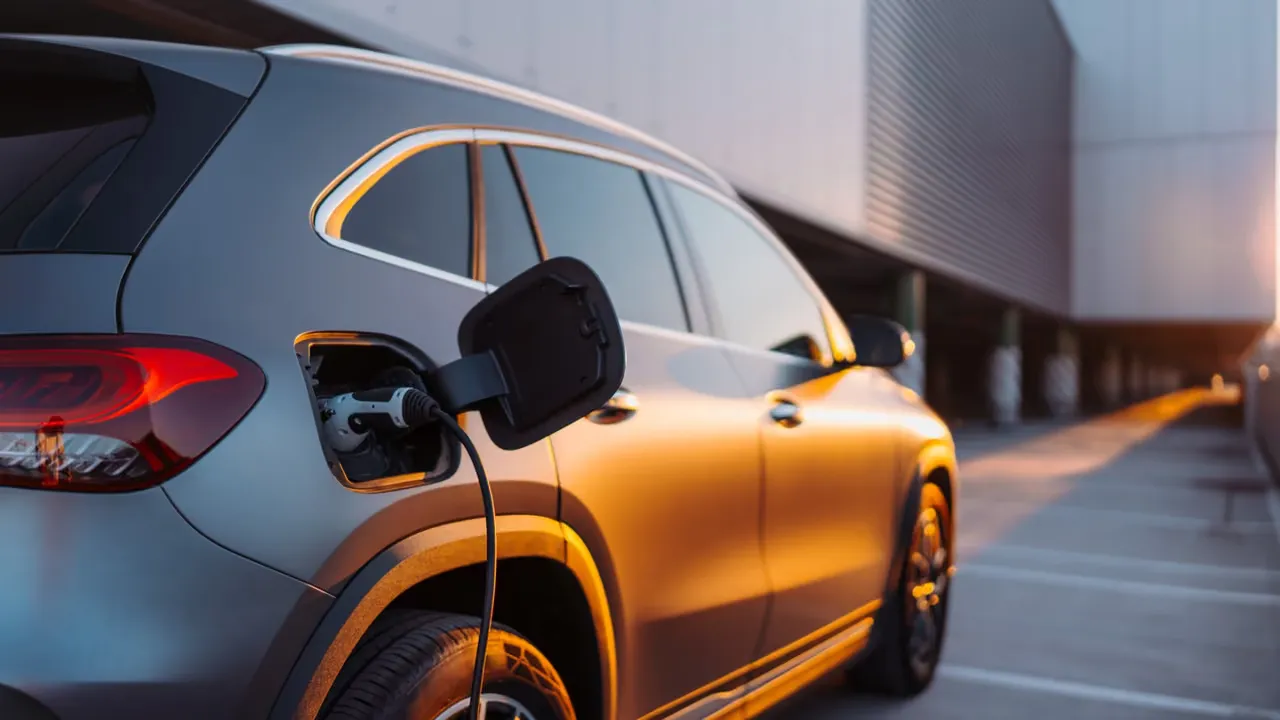
The rise of electric vehicles (EVs) has sparked a race to build charging spots that fit smoothly into city life. Gone are the days when charging stations were rare and hidden in parking lots. Now, urban planners and private companies are weaving charging points into the city’s everyday spaces.
You’ll see chargers lining sidewalks, built into street lamps, and popping up in parking garages. This shift calls for smart design—making chargers easy to reach without blocking walkways or cluttering public spaces. The aim is to make charging as normal as stopping for gas once was.
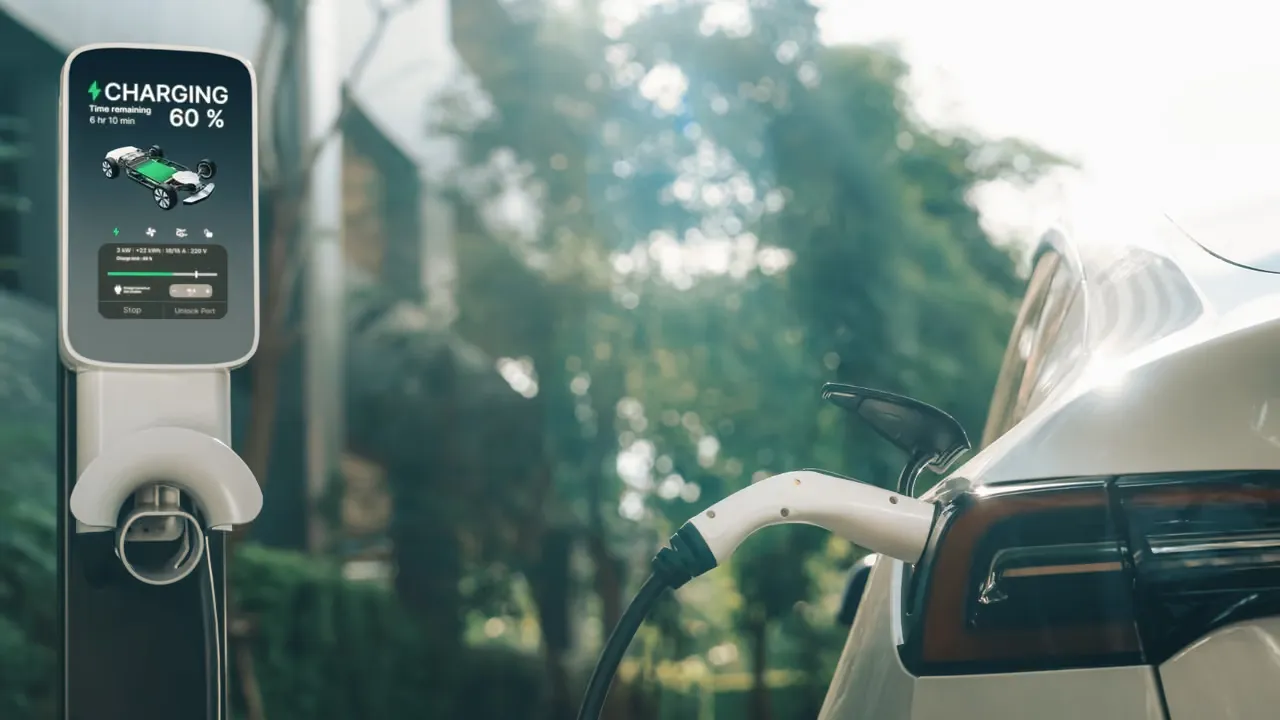
These charging hubs are also becoming smart energy centers. Many offer rapid chargers that can fill batteries in 20 to 30 minutes instead of hours. Some connect to solar panels or the power grid in ways that help balance energy use and ease strain during busy times.
In cities like Amsterdam and Oslo, charging stations double as community hubs with benches and information screens. This shows how EV infrastructure can add value beyond just powering cars.
Rethinking City Planning EVs and Traffic Flow
Electric cars don’t just need new plugs; they push cities to rethink their layouts. Their quiet engines cut noise pollution, encouraging designs that focus on pedestrian comfort and fewer traffic annoyances.
EVs often come with advanced driver-assist features and connectivity. As these spread, cities are gearing up for smarter traffic systems that adjust lights and lanes on the fly to keep traffic moving smoothly.
Some places are testing dedicated EV lanes or special parking spots to encourage use and speed up travel. These changes affect how new buildings plan parking and car access, sometimes freeing up space for parks or bike lanes instead of cars.
In Shenzhen, China, where electric buses dominate, streets have been redesigned to support smoother EV traffic and safer pedestrian zones. This shows how EVs can reshape whole neighborhoods.
Public Transit and Electric Vehicles A New Synergy
Electric vehicles are not just personal cars; they are changing public transit too. Electric buses and shared electric shuttles are growing fast, cutting pollution and lowering costs for transit agencies.
This shift lets transit rethink routes and schedules. Some cities now offer on-demand electric shuttles that fill gaps between main lines and neighborhoods. The quiet, clean nature of EV transit makes waiting at stops and traveling through busy areas more pleasant.
Electric ride-sharing fleets add another layer. Cities are starting to coordinate these with public transit to reduce the total number of cars on the road and ease congestion.
For example, Los Angeles has expanded its electric bus fleet while partnering with electric ride-share companies to offer first- and last-mile connections. This mix helps more people leave their cars at home.
The Impact on Daily Commutes Convenience and Cost
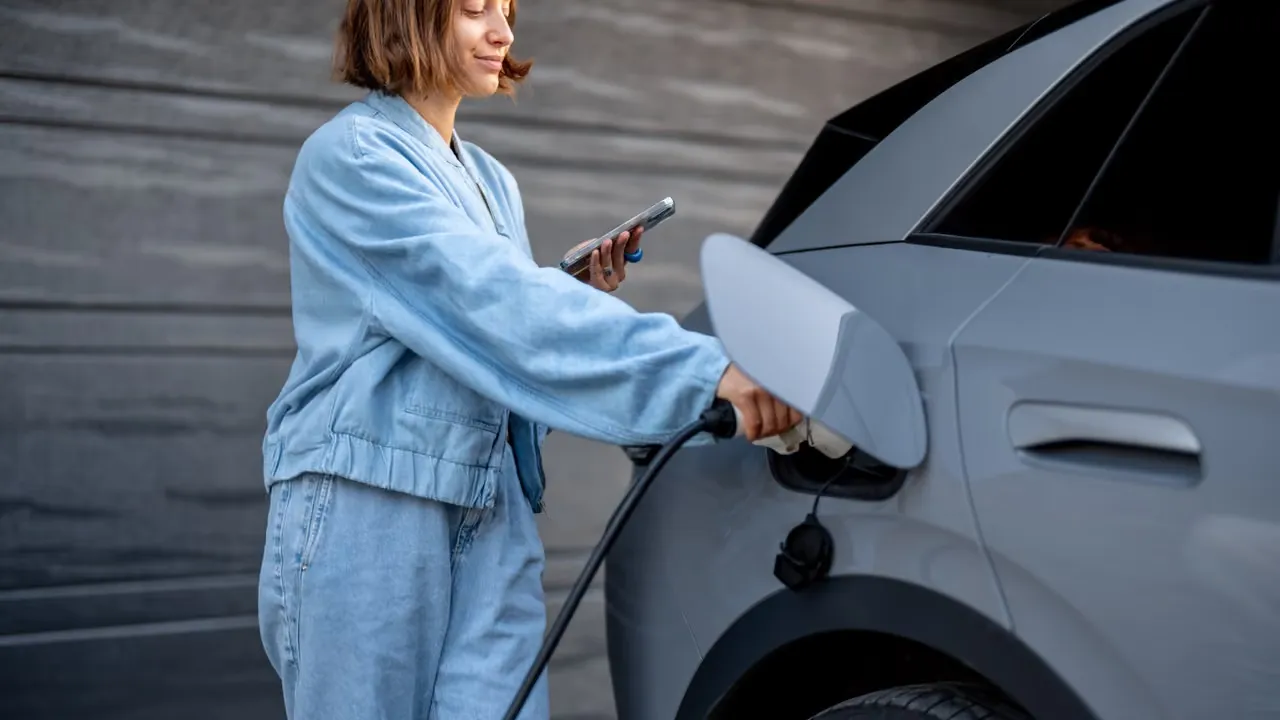
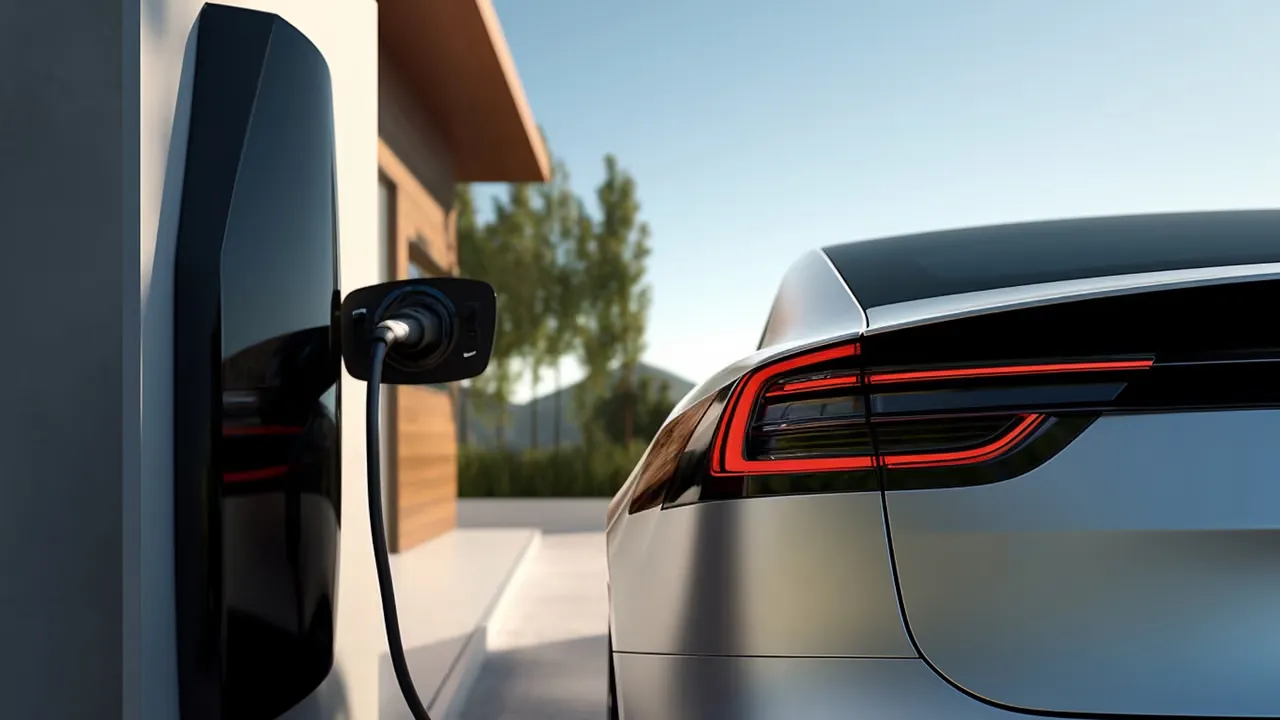
For daily commuters, electric cars bring clear changes beyond environmental benefits. Charging at home overnight means many start their day with a “full tank,” cutting out trips to gas stations and saving time.
Costs are shifting too. Electricity usually costs less than gasoline, and EVs need less maintenance because they have fewer moving parts. This can make commuting cheaper over time, especially as charging stations grow and prices become competitive.
Urban charging stations reduce range anxiety and support spontaneous trips. Workplace charging is a big plus, letting people top off batteries during the day and stretch their daily range.
Some cities offer EV owners perks like lower tolls, access to carpool lanes, or free parking. These incentives push more people to switch, slowly changing traffic habits and how cities move.
In Seattle, for instance, workplace charging programs have boosted EV use by 40% in some companies, showing how easy access to charging can shift commuting patterns.