
Powering the Future of Electric Travel
the electric vehicle charging revolution
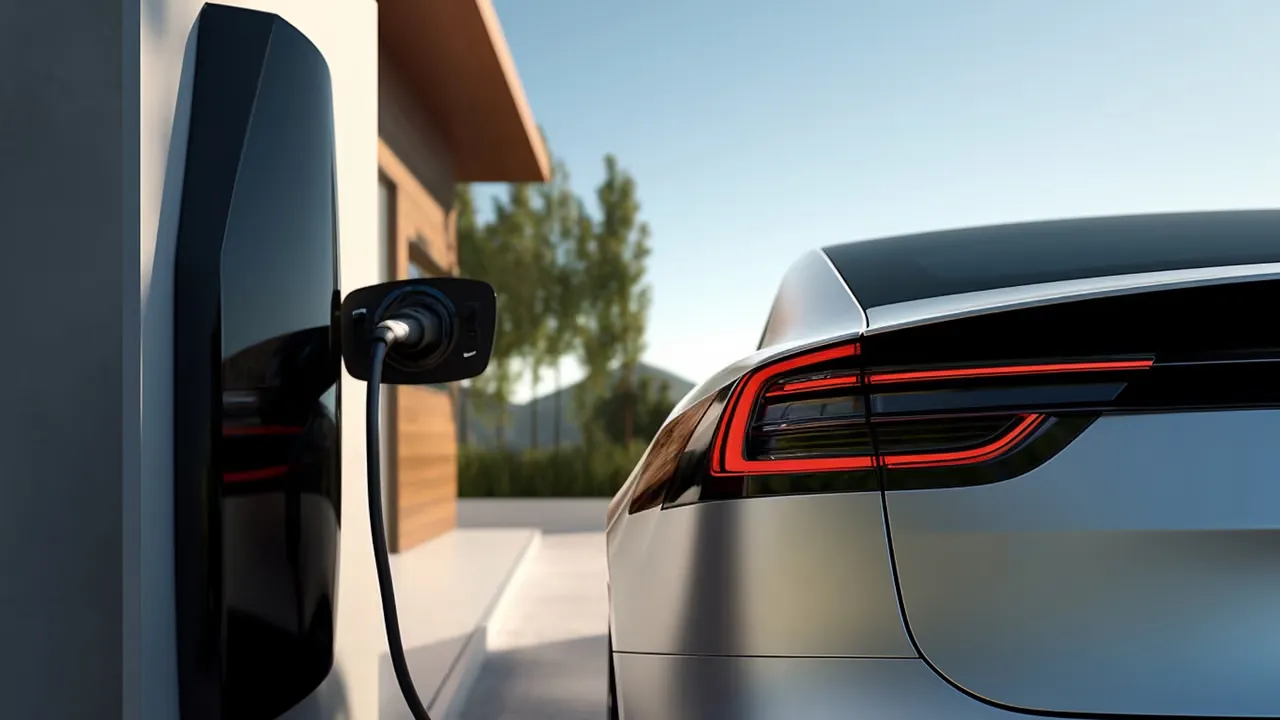
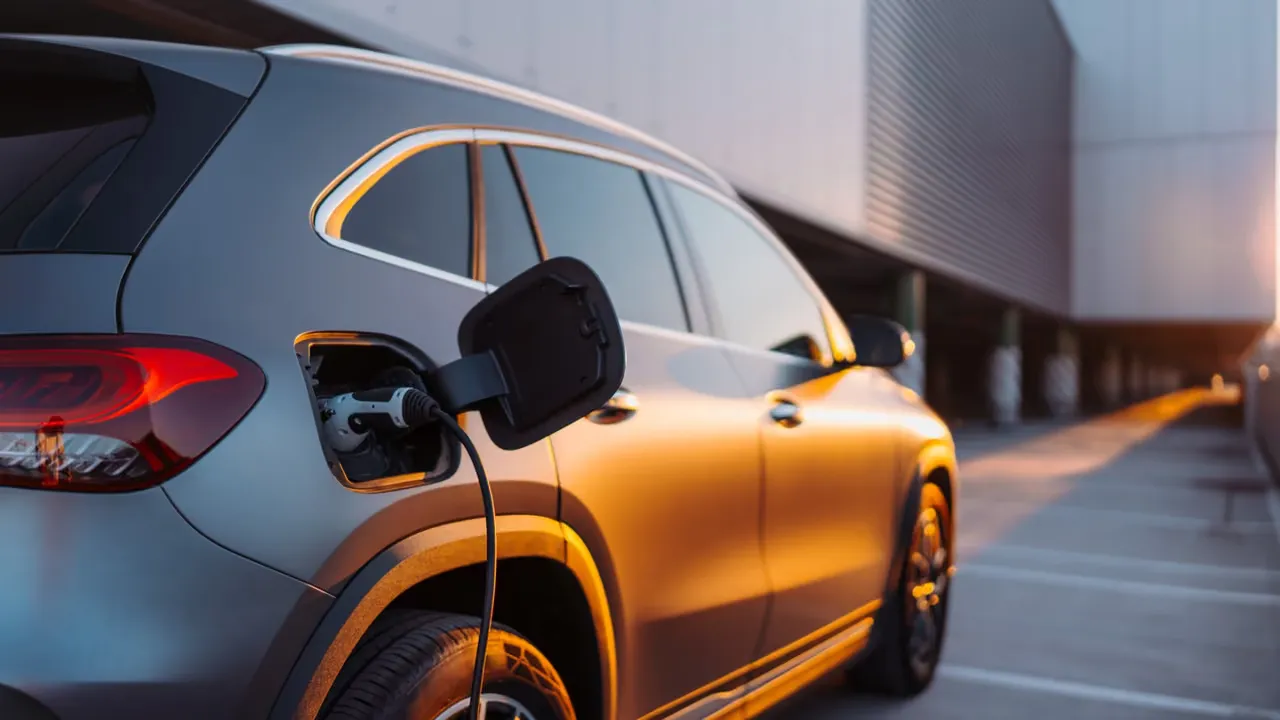
Electric vehicles (EVs) are not just a trend; they’re a shift in how we think about transportation. With the rise of EVs, there’s a pressing need for charging infrastructure that’s both user-friendly and efficient. Have you ever been on a road trip and had that nagging worry about finding a charging station? That’s the kind of anxiety we need to tackle as EV adoption grows. Let’s dive into the world of EV charging and explore what makes it tick.
the heart of the matter: charging stations
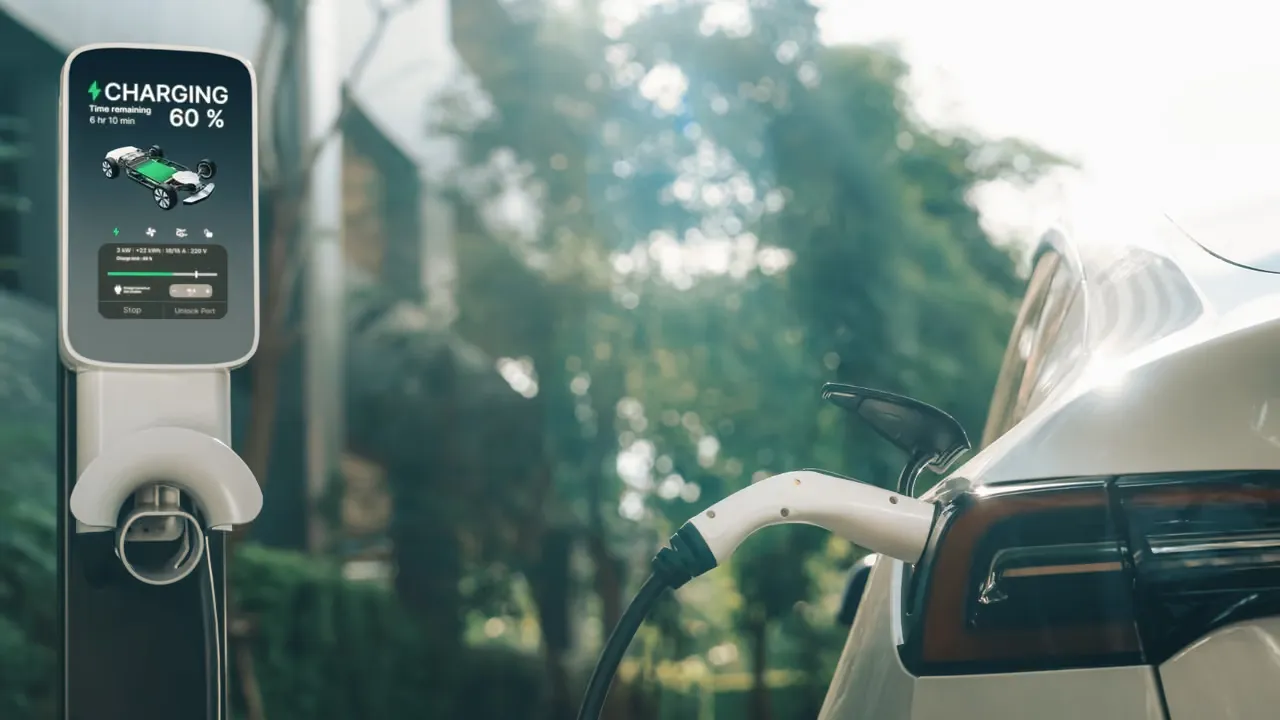
When we talk about EV charging, we’re really discussing the stations that make it all possible. These come in various forms, from the slow but reliable Level 1 chargers that plug into standard outlets at home to the rapid DC fast chargers that can power up your vehicle in no time flat. Each type serves a different purpose, and knowing where to find them can make all the difference.
level 1, level 2, and dc fast charging
- Level 1 Chargers: These are the slowpokes of the bunch. They’re perfect for overnight charging at home but can take a long time to fully charge your EV. Think of them as your trusty old tortoise.
- Level 2 Chargers: A step up in speed, these chargers are often found in public places like shopping malls or workplaces. They provide a nice balance between speed and accessibility.
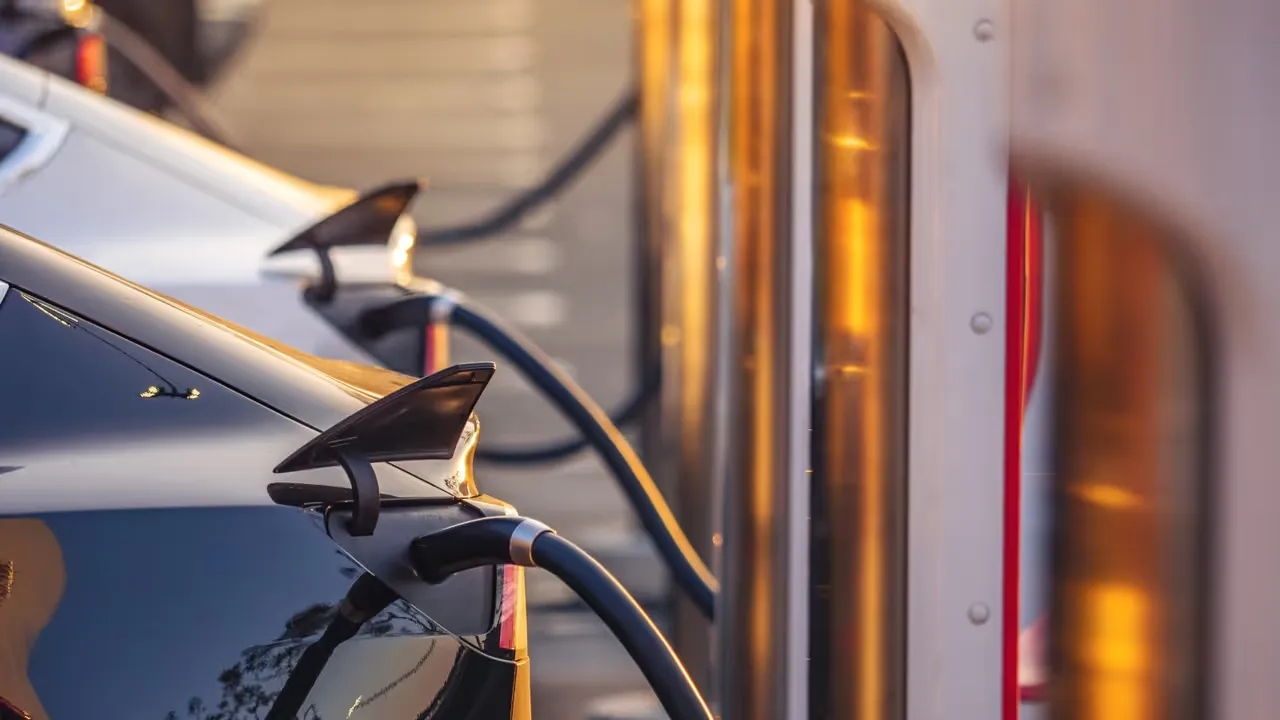
- DC Fast Chargers: Fast and furious, these chargers are found at highway rest stops and can charge your EV to 80% in about 30 minutes. Perfect for those long road trips where every minute counts!
But here’s the kicker: as more people switch to EVs, the demand for these chargers is skyrocketing. We need more stations, and we need them in the right places. It’s not just about quantity; it’s about accessibility. Imagine pulling into a charging station and finding it’s already occupied. Frustrating, right? That’s why location matters.
the role of technology in charging
EV charging isn’t just about plugging in your car; it’s also about the technology that powers the charging stations. Sophisticated software is crucial for managing these stations efficiently. Think about it: how does a charging network keep track of who’s using what, when, and how much they’re paying? It’s all about data.
key features of effective charging software
- Real-time Monitoring: This keeps track of charging sessions and station availability. No one wants to drive to a station only to find it’s out of order.
- User Authentication: Secure access is essential. Charging stations need to know who’s using them and how to bill accordingly.
- Data Analytics: Understanding usage patterns can help operators optimize their networks and enhance customer experiences.
- Energy Management: This ensures that energy is used efficiently, especially during peak times. It’s all about balancing the load.
Without this tech, charging stations would be chaotic. Imagine a world where you couldn’t find a charger or where stations were constantly down. No thanks! We need smart solutions that make our lives easier.
the future of ev charging
What does the future hold for EV charging? As the market grows, we will see innovations that make charging faster, more accessible, and even integrated with renewable energy sources. Imagine charging your car with solar energy while parked at a station. That’s not just a dream; it’s becoming a reality.
community-driven charging solutions
Communities are starting to step up, too. More cities are investing in public charging infrastructure, recognizing that EV adoption is a community effort. Local businesses are also getting in on the action, installing chargers to attract customers and provide a valuable service. Have you noticed more charging stations popping up around your neighborhood? That’s the community responding to the demand.
embracing the electric future
Electric vehicle charging is more than just a technicality; it’s about creating a sustainable future. It’s about reducing our reliance on fossil fuels and making transportation cleaner. But it’s also about convenience and accessibility. As we continue to embrace electric vehicles, the charging infrastructure must keep pace. The question is: are we ready to push for the changes needed to make EV charging a seamless part of our lives? The answer lies in our hands, and it’s time to take charge.