

Green Commutes Start With Workplace Charging
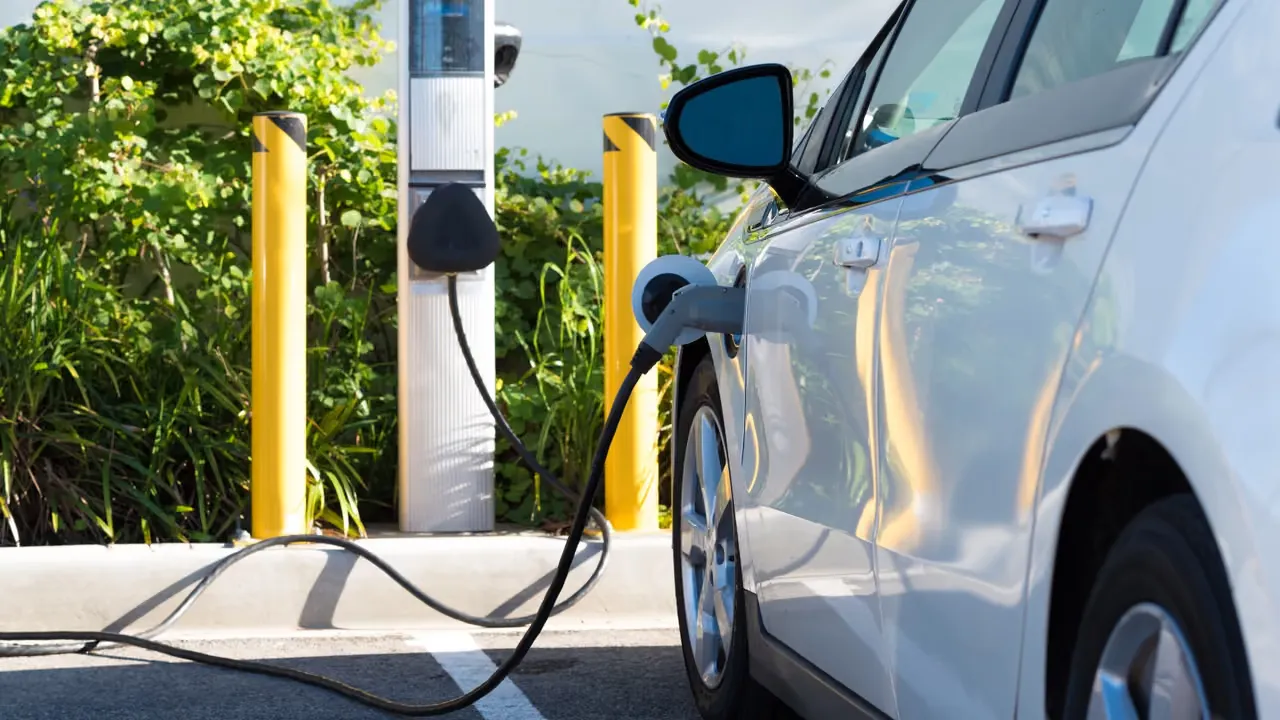
Pulling into a parking spot and plugging in an electric vehicle (EV) at work is becoming as routine as grabbing a morning coffee. The rise of workplace EV charging stations is reshaping how companies think about employee perks and sustainability, signaling a shift that goes beyond the surface of convenience.
The rise of workplace EV charging stations trends and motivations
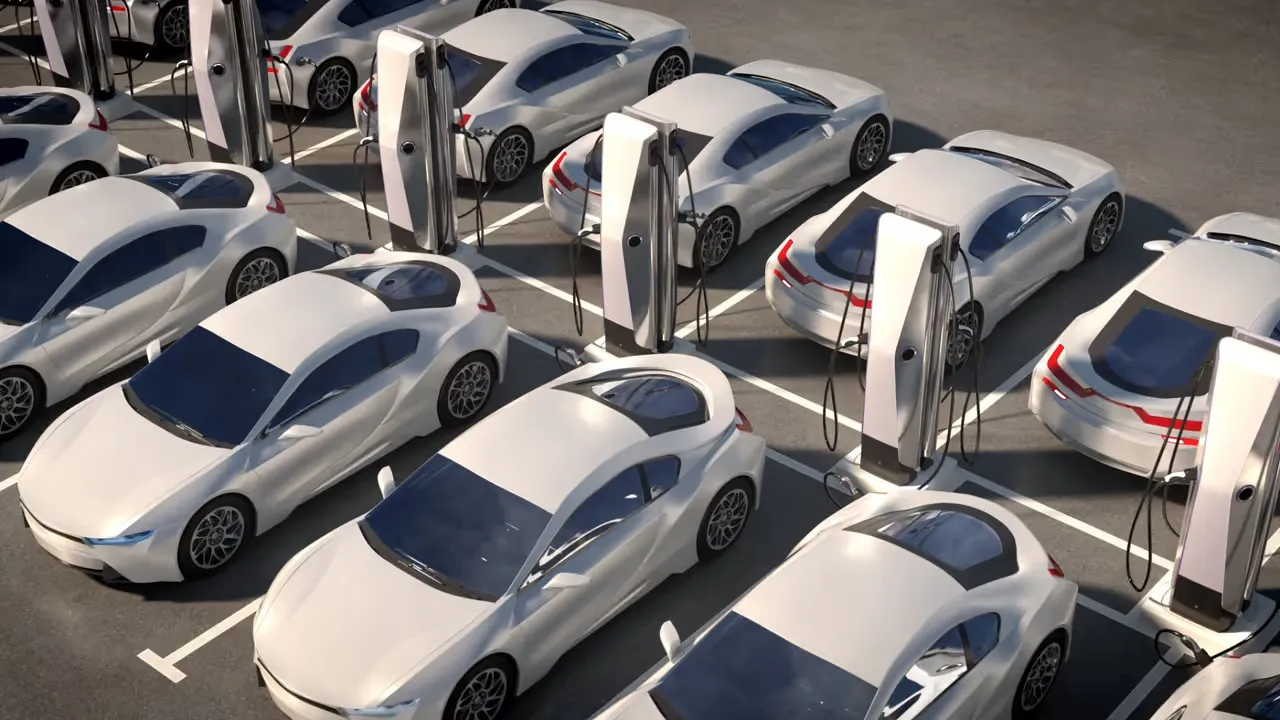
Electric vehicles have surged in popularity, fueled by dropping battery costs, expanding model options, and growing environmental awareness. As more employees switch to EVs, companies are responding by installing charging stations on their premises. This trend isn’t just about keeping up appearances; it’s a strategic move driven by several factors.
- Employee demand: Workers increasingly expect employers to support their green transportation choices. Offering charging stations aligns with these expectations and signals that a company values sustainability and progressive benefits.
- Competitive advantage: In tight labor markets, companies want to stand out. Workplace EV charging has emerged as a modern perk that appeals to tech-savvy and environmentally conscious talent.
- Government incentives: Many municipalities and states provide grants, rebates, or tax breaks to businesses that invest in EV infrastructure, making installations more financially feasible.
- Corporate responsibility: As climate commitments grow louder, companies see workplace charging as a tangible step toward reducing their carbon footprint and supporting employee eco-choices.
Impact on employee satisfaction and retention
Workplace EV charging stations do more than just power cars; they recharge employee morale and loyalty. Having convenient access to charging at work eliminates anxieties around range limits and charging availability, making the switch to electric more viable for many.
Employees report feeling valued when their employers invest in infrastructure that supports their lifestyle choices. It’s a subtle but powerful message: “We want you to succeed both on the job and in your personal commitment to sustainability.”
This benefit often translates to higher retention rates. Companies offering EV charging are seen as forward-thinking and employee-centric, qualities that attract and keep high performers. Additionally, charging infrastructure can encourage employees to drive electric in the first place, extending sustainability benefits beyond the office.
Environmental benefits and corporate sustainability commitments
Workplace charging plays a pivotal role in enabling companies to meet their environmental goals. By facilitating the use of electric vehicles, organizations reduce the collective carbon emissions associated with daily commutes—a significant source of greenhouse gases.
Some companies even integrate their charging stations with renewable energy sources, such as solar panels on-site, to further decrease their environmental impact. This combination not only cuts emissions but also demonstrates a genuine commitment to sustainability rather than a superficial one.
Furthermore, workplace charging infrastructure helps companies comply with emerging regulations and reporting requirements around carbon footprints and environmental, social, and governance (ESG) criteria. It serves as a visible, measurable action that stakeholders can recognize and evaluate.
Challenges and best practices for implementing workplace charging infrastructure
Installing EV charging stations at work isn’t without hurdles. Companies face logistical, financial, and technical challenges that require careful planning.
- Assessing demand: Understanding how many employees drive EVs or plan to is crucial. Overestimating can lead to underused stations, while underestimating can create frustration.
- Choosing the right technology: Decisions between Level 2 chargers or faster DC fast chargers depend on budget, available power capacity, and expected usage patterns.
- Infrastructure constraints: Older buildings may require electrical upgrades, which can be costly and time-consuming.
- Cost management: Balancing installation, maintenance, and electricity costs is key. Some companies implement user fees or reservation systems to manage expenses and station availability.
- Equity and access: Ensuring fair access for all employees, including those who carpool or have different shift patterns, helps prevent resentment and maximizes utilization.
Successful workplace charging programs often start small, pilot a few stations, and gather employee feedback before scaling up. Partnering with experienced vendors and utilizing government incentives can lower barriers and streamline deployment.
Communication is equally important. Clearly outlining charging policies, costs, and etiquette fosters a positive culture around the new amenity. Some companies pair charging stations with educational campaigns about EV benefits to boost adoption.