
Can Renewables Make EVs Truly Sustainable
Can electric cars truly revolutionize urban sustainability when paired with renewable energy? It’s a question that goes beyond the electric vehicle (EV) hype and digs into the heart of how cities can reshape their environmental impact. Electric cars alone reduce tailpipe emissions, but their potential skyrockets when the electricity that powers them comes from clean, renewable sources like solar, wind, or hydropower.
Understanding the synergy between electric cars and renewable energy
Electric vehicles and renewable energy are two sides of the same coin in the fight against climate change. EVs eliminate direct emissions from the combustion engine, but the real environmental benefit depends on how their electricity is generated. Charging an electric car using fossil-fuel-powered grids shifts pollution from the tailpipe to power plants, which can still emit significant greenhouse gases.
When renewable energy sources feed the grid or directly charge EVs, the environmental footprint shrinks dramatically. This synergy allows cities to reduce urban air pollution and cut down on carbon emissions. Moreover, the integration of renewables with EVs can help balance energy demand, especially as smart grids and vehicle-to-grid (V2G) technologies evolve. EVs can act as mobile energy storage, feeding power back to the grid during peak times or emergencies.
The impact of charging infrastructure powered by renewables
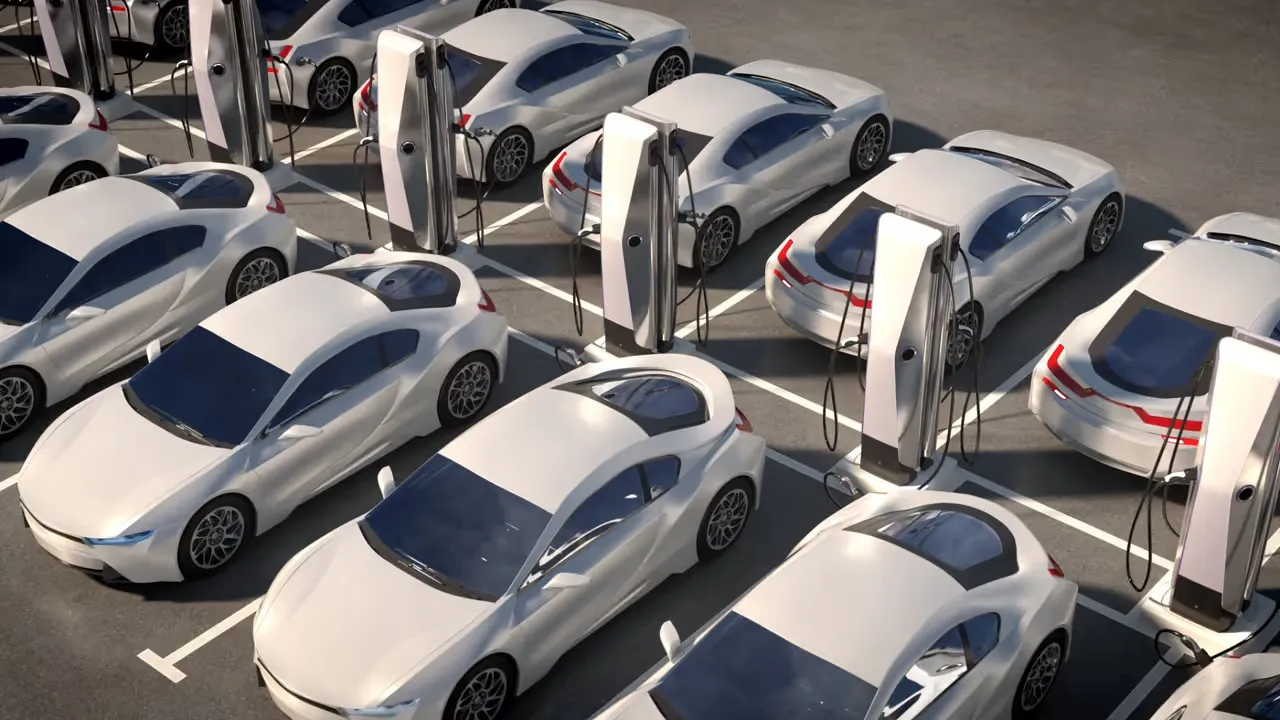
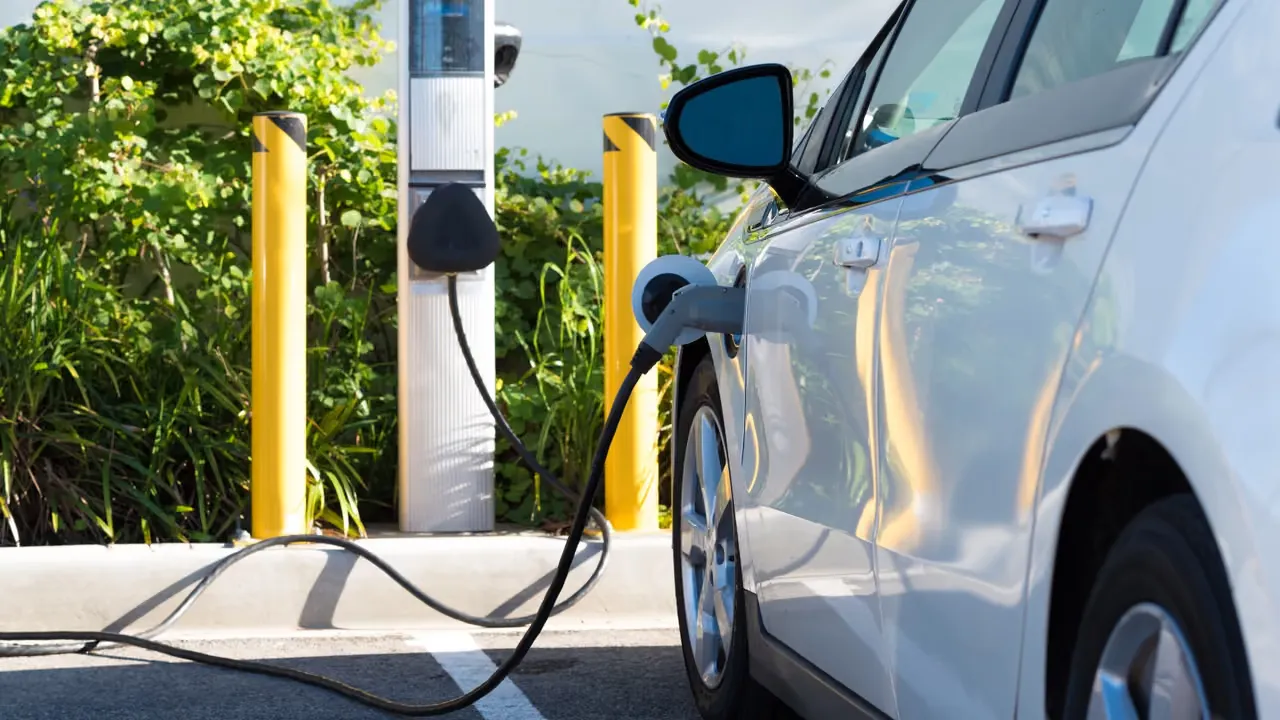
Charging infrastructure is the backbone of widespread EV adoption. But not just any charging stations will do if the goal is sustainability. Solar-powered charging stations, for example, are becoming increasingly common, offering a direct link between renewable energy generation and vehicle charging.
- Reduced grid strain: Solar can generate power onsite, minimizing the need for additional electricity from the grid during peak hours.
- Lower operational costs: Renewable-powered charging stations often have lower electricity costs, making EV ownership more affordable.
- Energy independence: These stations can operate in remote areas or during grid outages, increasing reliability.
Wind-powered charging hubs and hydropower connections are also emerging, though less common in urban settings. The key is integrating renewables not just as an energy source but as a fundamental component of urban charging networks.
Case studies of cities leading the renewable-powered EV movement
Several cities have taken bold steps to combine electric mobility with renewable energy, setting examples for others to follow.
- Oslo, Norway: More than 80% of Norway’s electricity comes from hydropower, making Oslo one of the greenest cities for EVs. The city boasts an extensive network of EV charging stations powered primarily by renewable sources, encouraging one of the highest EV adoption rates in the world.
- San Francisco, USA: San Francisco has invested heavily in solar-powered charging stations and smart grid technology. The city’s policies push for renewable energy integration with EV infrastructure, aiming to reduce greenhouse gas emissions by 80% by 2050.
- Freiburg, Germany: Known as the “solar city,” Freiburg integrates solar energy with EV charging, public transit, and residential use. The city’s approach creates a closed-loop system where renewable energy supports sustainable transport options.
These examples show that coupling EVs with renewables isn’t theoretical—it’s already happening and reshaping urban environments.
Challenges and future prospects for a fully sustainable electric vehicle ecosystem
Despite the promise, integrating renewable energy with electric cars faces obstacles.
- Intermittency of renewables: Solar and wind energy fluctuate with weather and time of day, requiring robust energy storage or backup systems to maintain consistent EV charging availability.
- Grid modernization: Many urban grids need upgrades to handle the increased load from EVs and to distribute renewable energy efficiently.
- Cost and scalability: Installing widespread renewable-powered charging infrastructure requires significant investment and coordination between public and private sectors.
- Battery production and disposal: EV batteries currently rely on materials with environmental and ethical concerns, and recycling infrastructure is still developing.
Looking ahead, advancements in battery storage, smart grid technologies, and renewable energy generation will be crucial. The rise of V2G capabilities may turn EVs into active grid participants, smoothing out energy supply and demand. Meanwhile, policies that incentivize renewable integration and sustainable urban planning will push cities closer to a future where electric mobility and clean energy are inseparable.