
5 Factors That Shape EV Charging Emissions
Electric vehicles (EVs) are often celebrated as a cleaner alternative to gasoline cars, but the environmental impact of charging them is a complex story. While much attention goes to how fast or convenient charging is, the way we power up our EVs carries its own ecological footprint that deserves a closer look.
Home Charging Versus Public Fast Charging Carbon Footprints
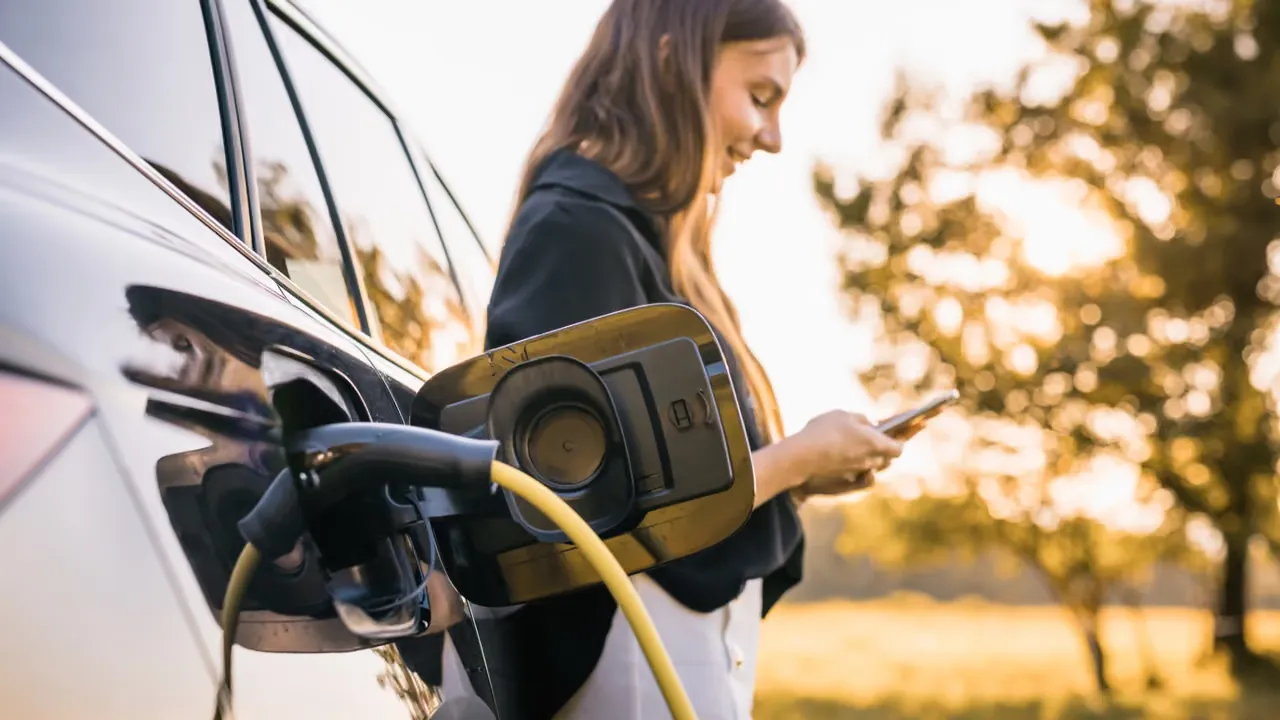
Charging an EV at home is usually the most common scenario, especially overnight. The carbon footprint here largely depends on the local electricity mix. If your home’s power comes from coal or natural gas, then the environmental benefits of your EV shrink considerably. On the other hand, if your electricity supplier leans heavily on renewables or nuclear, home charging becomes a much greener endeavor.
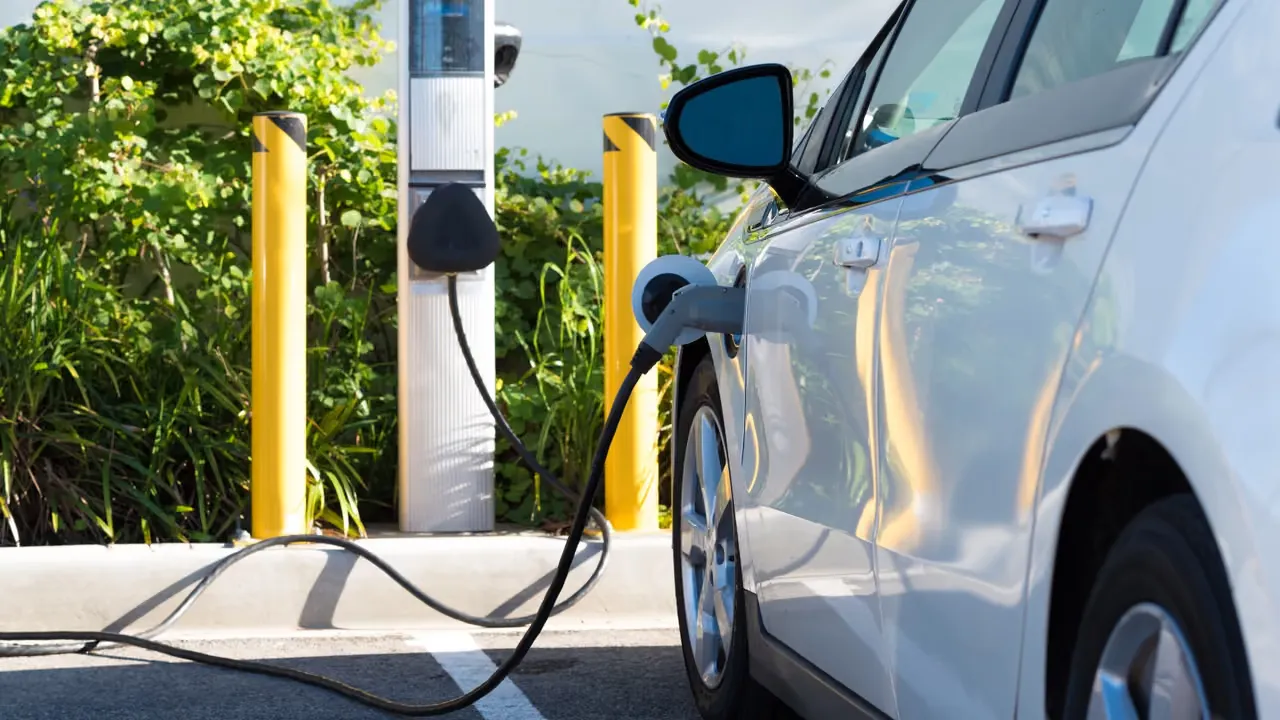
Public fast chargers, especially those on highways, present a different dynamic. These stations often rely on grid power as well, but because they need to deliver high power quickly, they tend to draw electricity at peak demand times. Utilities frequently meet peak demand with fossil fuel “peaker” plants, which can be dirtier than the average grid mix. This means fast charging at public stations can sometimes generate more emissions per kilowatt-hour than home charging during off-peak hours.
Additionally, the infrastructure to support fast charging requires significant energy to operate cooling systems and maintain equipment, adding a layer of indirect emissions. So, while fast charging scores high on convenience, it doesn’t always win on environmental impact.
Renewable Energy Integration in EV Charging Stations
The clearest path to reducing the carbon footprint of EV charging lies in pairing charging stations with renewable energy. Solar canopies over parking lots with integrated chargers are an emerging trend, allowing vehicles to charge directly from the sun. Some public stations install their own solar panels, offsetting a portion of their electricity use.
Wind power integration is less visible but equally important. Utilities increasingly offer green tariffs or renewable energy credits that charging networks can purchase, ensuring the electricity they use is matched by renewable generation elsewhere. However, the effectiveness depends on the timing of renewable energy availability and charging demand.
Vehicle-to-grid (V2G) technology is another promising development. With V2G, EVs can feed electricity back into the grid during peak demand or when renewable generation dips, effectively acting as mobile batteries. This can help balance supply and demand, reducing reliance on fossil fuel peaker plants and enhancing the overall sustainability of the energy system.
Charging Behavior and Its Environmental Consequences
How and when EV owners charge their vehicles can drastically influence the environmental impact of driving electric. Charging during off-peak hours, such as overnight, often aligns with a cleaner grid mix because renewable generation, like wind, tends to be higher at night and overall demand is lower.
Conversely, frequent use of public fast chargers during the day, especially in urban areas where fossil fuel plants still meet demand spikes, can increase emissions. Some EV drivers might also top off their batteries unnecessarily, using energy inefficiently and potentially increasing wear on batteries, leading to earlier replacements and added environmental costs.
Smart charging systems that automatically select optimal charging times based on grid emissions data are gaining traction. These systems can encourage users to charge when electricity is cleanest, maximizing environmental benefits. Without such awareness or tools, charging habits may undermine the green potential of EVs.
Future Technologies Aiming to Reduce EV Charging Environmental Impacts
Battery technology itself is evolving to reduce environmental harm. Solid-state batteries promise higher energy density and faster charging with less degradation, meaning fewer resources consumed over the vehicle’s lifetime.
Wireless charging pads are being developed that can charge vehicles while parked or even in motion. If powered by renewables and combined with smart grid integration, this could smooth out demand spikes and reduce reliance on fossil fuel peaker plants.
Beyond hardware, advances in artificial intelligence and data analytics will optimize charging patterns on a massive scale. Utilities and charging networks are experimenting with demand response programs that incentivize charging when renewable energy is abundant and electricity is cheapest.
Finally, expanding the use of on-site energy storage at charging stations can buffer demand, storing renewable energy when it’s plentiful and releasing it during peak times. This reduces strain on the grid and lowers the need for carbon-intensive backup generation.
In the push toward widespread EV adoption, it’s clear that simply swapping gasoline for electricity doesn’t guarantee an environmental win. The nuances of how EVs are charged—the timing, source, and technology behind it—shape the true ecological footprint of electric driving.