
Electric Cars Changing Urban Life Today
How are electric cars quietly reshaping the cities we live in? As these vehicles move from niche to norm, their influence extends beyond the streets, altering urban planning and city infrastructure in profound ways.
The Impact of Electric Cars on Urban Traffic Patterns
Electric vehicles (EVs) are not just another type of car; they come with unique characteristics that influence how traffic flows in cities. For one, EVs tend to have quicker acceleration due to electric motors, which can affect traffic dynamics at stoplights and intersections. This can lead to smoother starts and potentially reduce congestion in some scenarios.
Moreover, the adoption of EVs often goes hand-in-hand with smarter driving habits. Many EV drivers are more attuned to conserving battery life, which encourages steady speeds and fewer sudden stops. These subtle changes help ease the stop-and-go rhythm that typically clogs rush hour traffic.
Another factor is the growing presence of shared electric mobility options—electric car-sharing and ride-hailing services—that reduce the number of privately owned vehicles on the road. This shift can lead to a decrease in overall traffic volume, especially in dense urban centers where parking is scarce and costly.
Changing Traffic Flow and Noise Pollution
Electric cars are quieter, which alters the acoustic environment of cities. Reduced noise pollution can encourage more pedestrian activity and improve quality of life. Some urban planners are beginning to consider soundscapes alongside traffic patterns, promoting zones where EVs dominate to create calmer, more pedestrian-friendly streets.
How Charging Infrastructure Is Reshaping City Layouts
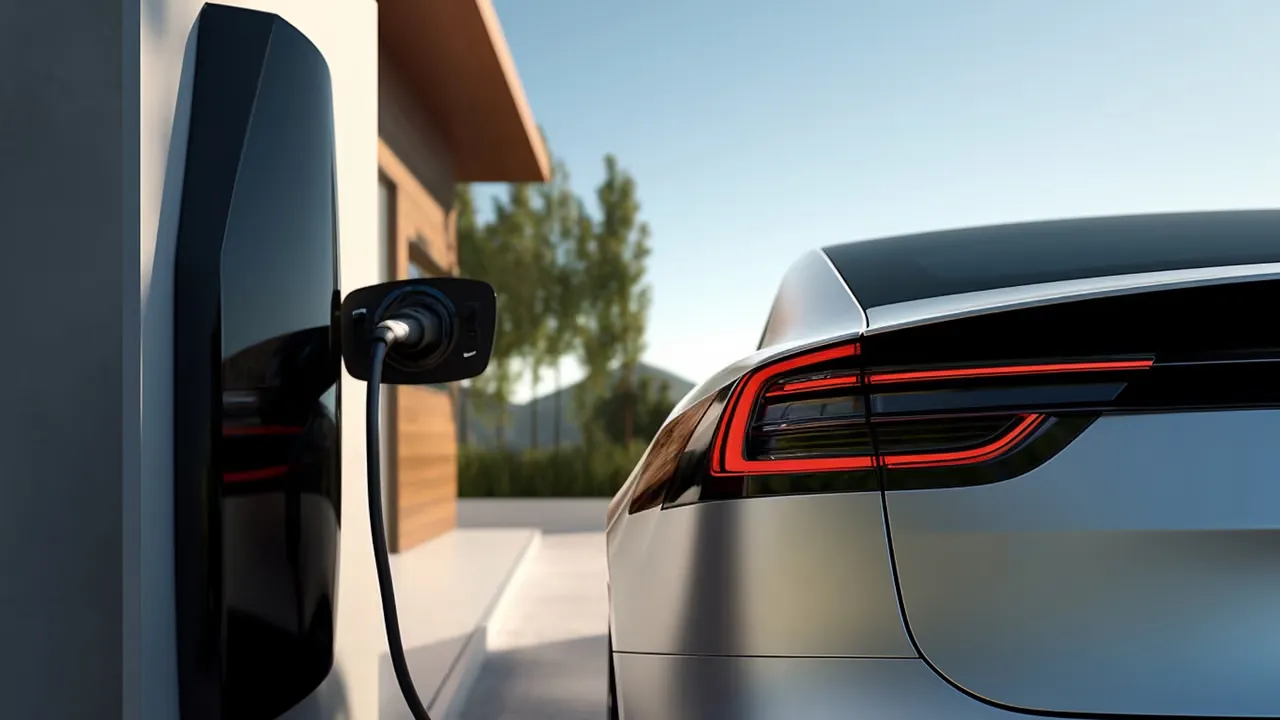
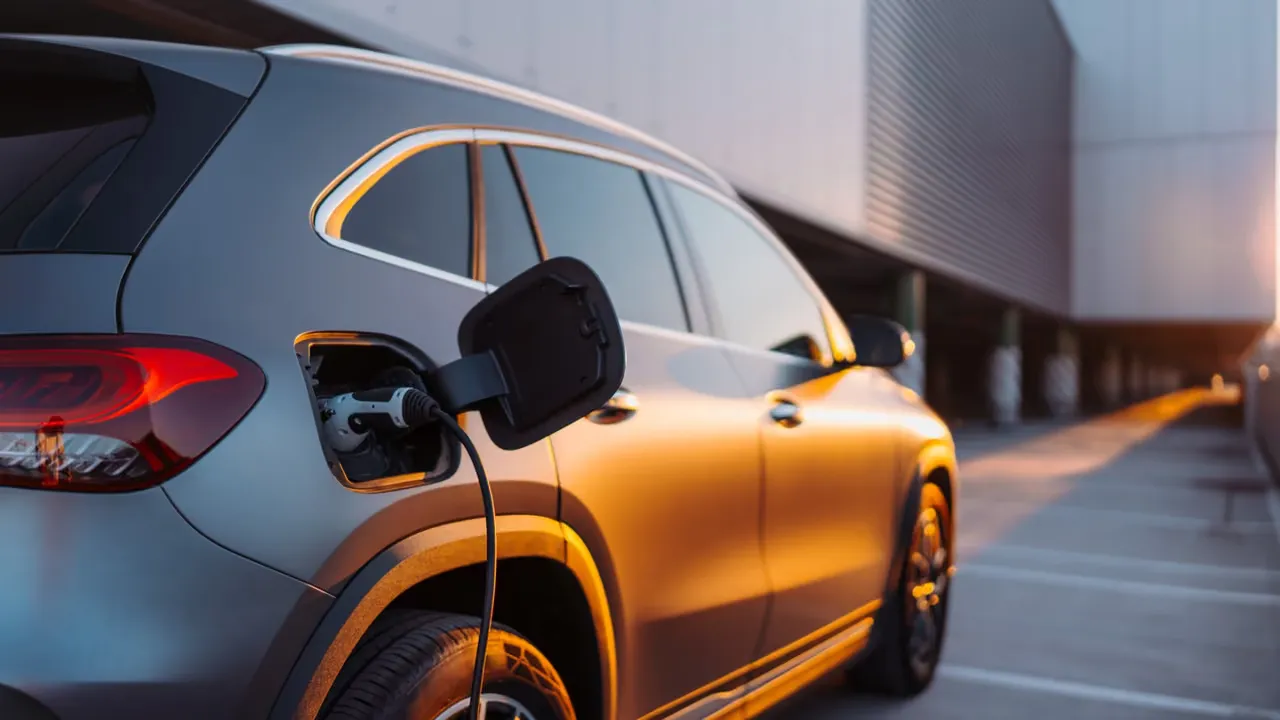
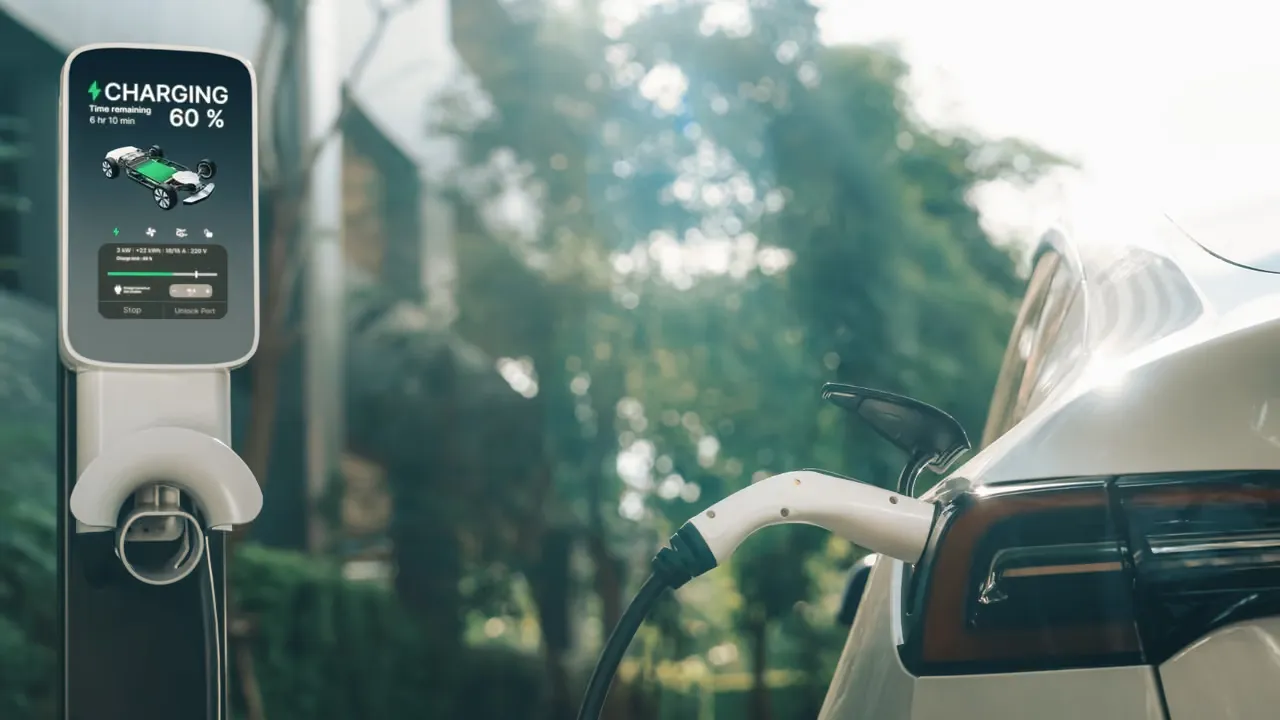
One of the most visible ways EVs influence urban design is through the installation of charging stations. Unlike gas stations, which are typically clustered on city outskirts or major thoroughfares, charging points need to be distributed throughout residential areas, commercial zones, and public spaces.
This creates a new layer of infrastructure requirements. Cities are now adapting sidewalks, parking lots, and even street lamps to accommodate chargers. This shift requires planners to rethink curbside management, balancing space for charging with pedestrian pathways, bike lanes, and traditional parking.
Fast chargers demand more power and larger footprints, often resembling mini gas stations. Integrating these into dense urban environments without disrupting traffic or pedestrian flow is a challenge that calls for innovative design solutions.
Impact on Real Estate and Public Spaces
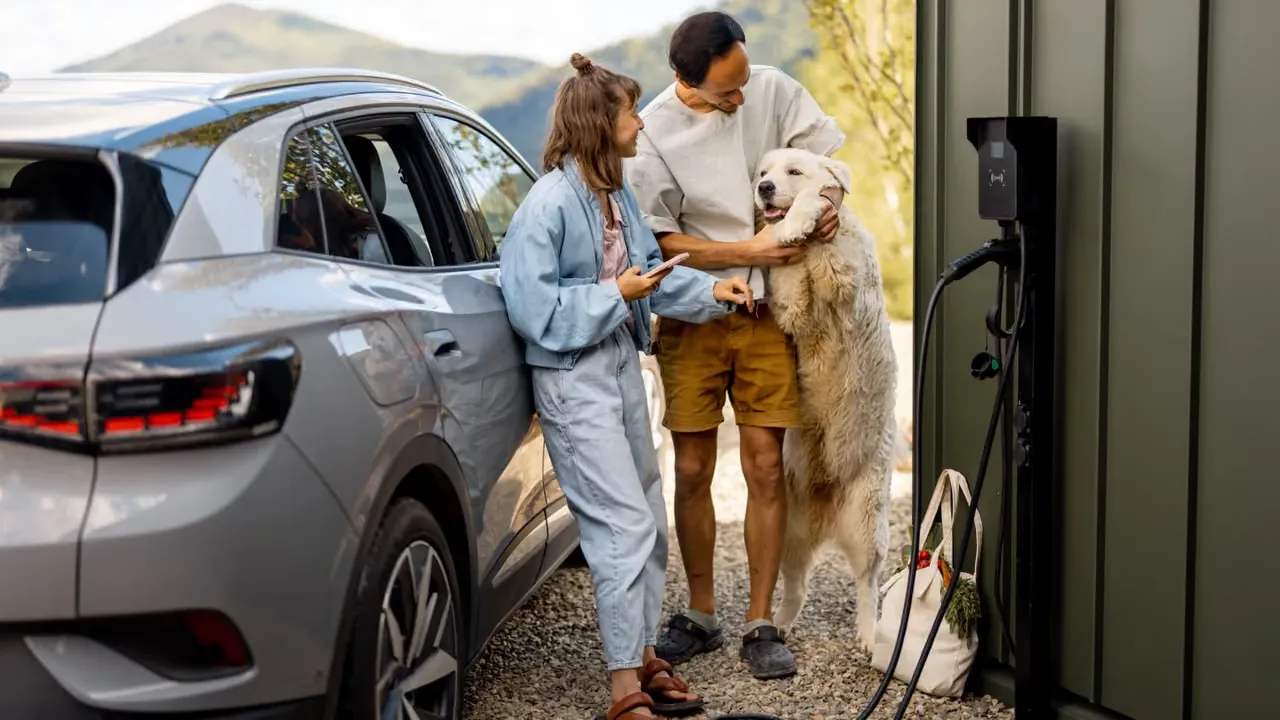
Charging infrastructure also changes the value and function of urban real estate. Properties with easy access to EV charging become more attractive, pushing developers to include charging in new residential and office buildings. Public spaces may incorporate charging hubs, turning parking areas into multi-use zones that support social interaction and green initiatives.
Integrating EVs with Public Transportation Systems
Electric cars are not replacing public transit; instead, they’re increasingly integrated with it to create seamless, low-emission urban mobility networks. For example, many cities are promoting park-and-ride facilities equipped with EV chargers to encourage commuters to switch to electric vehicles for the first or last mile of their journey.
Electric car-sharing programs often serve as feeders to mass transit hubs, making it easier for residents to move without owning a car. This integration reduces the need for extensive parking near transit stations, freeing up valuable urban land for other uses.
Adding electric buses and trams into the mix further complements the EV ecosystem. The synergy between electric private vehicles and public transportation helps cities reduce their carbon footprint while offering flexible, efficient travel options.
Data-Driven Mobility and EVs
Smart city technologies enable real-time coordination between electric vehicles and public transit systems. Apps that manage shared EV fleets can optimize routes and availability, ensuring that electric cars support rather than compete with buses and trains. This interconnectedness is gradually becoming a cornerstone of urban mobility planning.
Future Urban Design Considerations for an Electric Vehicle Era
As EV ownership climbs, cities face new challenges and opportunities in urban design. Planners must anticipate how electric cars will influence land use, energy grids, and transportation habits.
- Flexible Parking Solutions: Parking spaces may need to be equipped with charging facilities and designed to accommodate a mix of vehicle types, including autonomous EVs.
- Energy Infrastructure: Cities will require robust electrical grids and possibly localized renewable energy sources to meet growing charging demands without grid overloads.
- Shared Mobility Integration: Urban layouts might prioritize shared EVs and micro-mobility options over private car ownership, leading to smaller parking areas and more pedestrian zones.
- Green Spaces and Urban Cooling: Reduced emissions and noise from EVs open possibilities for expanding green corridors and public parks, improving urban microclimates.
Moreover, autonomous electric vehicles are on the horizon, promising to transform how streets and intersections are designed. With driverless EVs, cities might rethink traditional traffic signals, curbside usage, and even the need for personal vehicle storage.
In this evolving landscape, urban planners and policymakers must embrace a holistic approach—one that views electric cars not just as vehicles but as catalysts for a new urban ecosystem.