

Unlocking Savings with Time of Use Pricing
How can smart electric vehicle charging change the way our electric grid stays stable and help consumers save money? As more people switch to electric vehicles (EVs) around the world, the demand for electricity rises fast. Managing this extra load is a big challenge. But smart charging technology offers a clear answer. It balances the grid’s needs and cuts energy costs for EV owners.
How Smart EV Charging Balances the Electric Grid
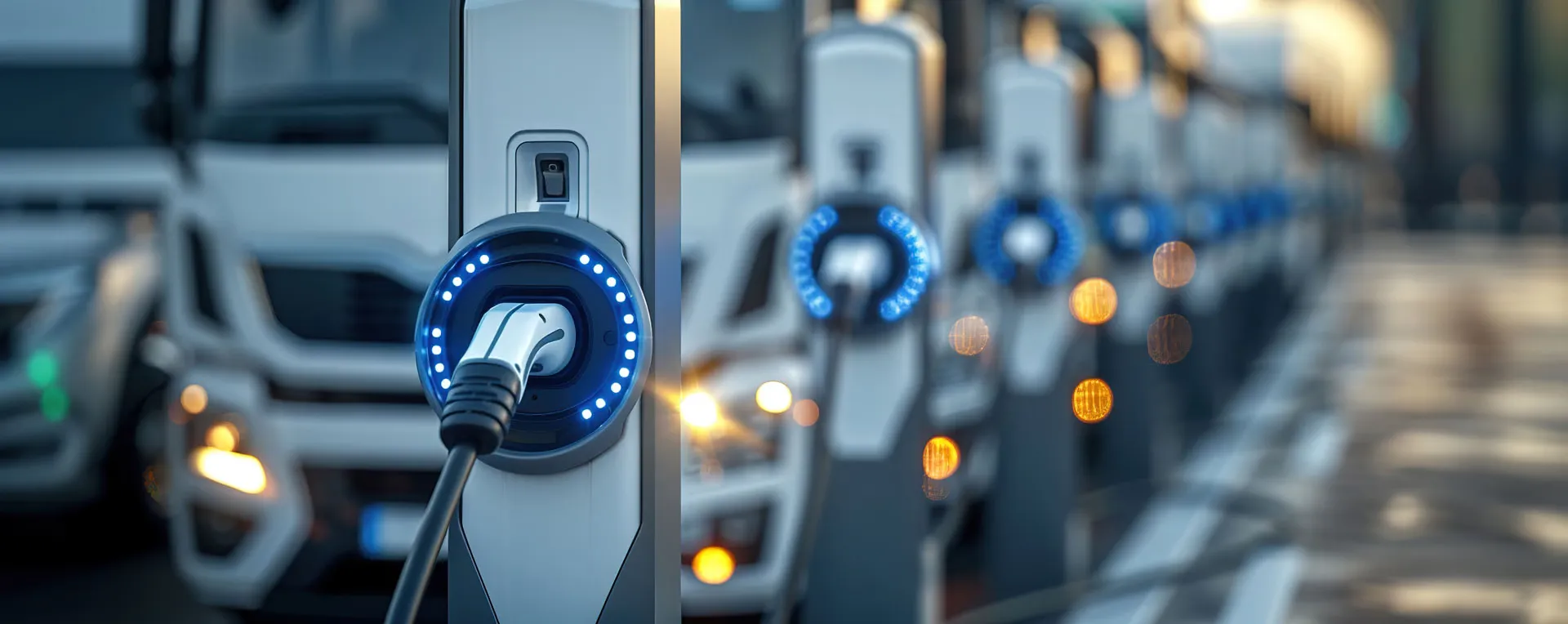
Electric vehicles need electricity to run, and as their numbers grow, so does the demand for power. If everyone charges their EVs right after plugging in, especially during busy hours, it could overload the grid. Smart EV charging fixes this by controlling when and how cars draw power.
Instead of starting to charge immediately, smart chargers talk to the grid. They schedule charging for times when electricity demand is low, like late at night. This helps flatten the peaks in energy use. It lowers the chance of blackouts and delays the need for costly upgrades to the grid’s infrastructure.
Utilities also benefit. A more stable grid means fewer risks of overloads. Smart charging helps smooth out the ups and downs caused by renewable energy sources like wind and solar. When there’s extra renewable power, smart chargers can increase charging to soak up this surplus, preventing waste.
How Time-of-Use Pricing Encourages Off-Peak Charging
One of the best ways to promote smart charging is through time-of-use (TOU) pricing. This system changes electricity prices during the day. Power costs less during off-peak hours, usually late at night or early morning.
TOU pricing gives EV owners a clear reason to charge when demand is low. Instead of paying high prices during busy evening hours, they can save money by charging overnight. This simple change in behavior helps the grid avoid overloads and makes better use of renewable energy.
It’s a win for everyone. The grid stays balanced, renewable energy is used more efficiently, and consumers pay less without losing convenience.
Technologies That Make Smart EV Charging Possible
Smart EV charging depends on several technologies working together. At the center are intelligent chargers with communication features, often connected through Wi-Fi or cellular networks. These chargers receive signals from utilities, energy management systems, or smartphone apps.
- Demand Response Systems let utilities adjust charging rates remotely during times of high grid stress.
- Vehicle-to-Grid (V2G) Technology allows EVs to send stored energy back to the grid, turning cars into mobile batteries.
- Smartphone Integration lets users control and monitor charging, set preferences, and take advantage of TOU rates.
- Artificial Intelligence and Machine Learning optimize charging schedules based on driving habits, weather, and grid conditions.
These technologies create a flexible charging system that keeps things easy for drivers while meeting the grid’s needs.
Benefits of Smart Charging for Consumers and Utilities
For EV owners, smart charging means real savings. Charging during low-cost times cuts electricity bills without affecting when the car is ready to go. Some utilities even offer rebates or incentives for joining smart charging or demand response programs.
Smart charging also boosts the environmental benefits of EVs. By syncing charging with times when renewable energy is plentiful, it lowers the carbon footprint of driving electric.
Utilities gain too. Smart charging makes the grid stronger and more flexible. It helps avoid expensive upgrades by managing peak demand better. It also supports more renewable energy by smoothing out supply swings.
Plus, the data from smart chargers gives utilities a clearer picture of how people use electricity. This helps with planning and allows for more personalized services.
Real-World Examples Show Smart Charging’s Impact
In California, programs that combine smart chargers with TOU pricing have cut peak demand by up to 20 percent during critical hours. This has saved utilities millions in avoided infrastructure costs. Drivers report saving up to 30 percent on their charging bills by shifting to off-peak hours.
In Europe, V2G pilots are proving that EVs can act as backup power sources during grid stress. This not only helps balance supply but also creates new income streams for EV owners who sell energy back to the grid.
These examples show that smart charging is more than just a tech upgrade. It’s a practical tool that benefits everyone involved.